[ultraviolet laser light]Exploring the Cutting-Edge Applications and Innovations in Ultraviolet Laser Light Technology for Various Industries
News 2024-12-10
****Ultraviolet laser light technology has emerged as one of the most transformative advancements across multiple industries, thanks to its unique capabilities and diverse applications. From medical treatments to material processing, chemical analysis, and even environmental monitoring, the uses of ultraviolet (UV) lasers have expanded dramatically over the past few decades. This article delves into the various applications of UV laser light, the science behind its workings, and the innovative future it promises.
At its core, ultraviolet laser light refers to electromagnetic radiation with wavelengths shorter than visible light, typically ranging from 10 nm to 400 nm. These wavelengths have sufficient energy to excite various atoms and molecules, which is the key to their extensive applicability. One prominent feature of UV lasers is their precision; they can focus energy to extremely small areas, allowing for intricate processes with minimal impact on surrounding materials.
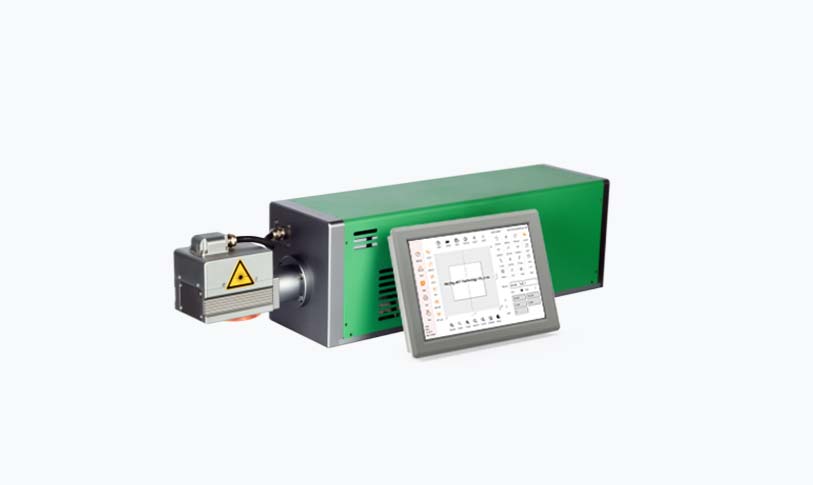
Exploring the Cutting-Edge Applications and Innovations in Ultraviolet Laser Light Technology for Various Industries
In addition to medical applications, UV lasers have proven invaluable in industrial settings. They are employed for cutting, engraving, and marking various materials—most notably plastics, ceramics, and glass. The ability of UV laser light to penetrate and vaporize materials without significant thermal damage is a game-changer in industries that prioritize material integrity and finish quality. For example, manufacturers utilize UV lasers for creating intricate designs on electronics and for tracing unique identification markings on products to combat counterfeiting.

Exploring the Cutting-Edge Applications and Innovations in Ultraviolet Laser Light Technology for Various Industries
Another exciting application of ultraviolet laser light is in the growing area of sterilization and disinfection. The COVID-19 pandemic highlighted the need for effective sterilization methods, leading to a surge in interest in UV-C light, a specific range of ultraviolet light effective in killing bacteria and viruses. UV lasers can be integrated into various disinfection systems, offering a chemical-free alternative that is both effective and sustainable. Hospitals, laboratories, and even public transport systems are adopting UV laser-based technologies to ensure a higher standard of cleanliness and safety.
As we look to the future, the potential innovations in ultraviolet laser technology are worth exploring. Researchers are investigating new materials and methods to enhance UV laser efficiency and output. Developments in ultrafast laser technology promise to push the boundaries of how we use UV lasers in both industry and research. Short-pulse UV lasers can achieve incredibly high peak powers, allowing scientists to manipulate materials at the atomic level. Such advancements could lead to new applications in nanotechnology, quantum computing, and the development of next-generation materials.
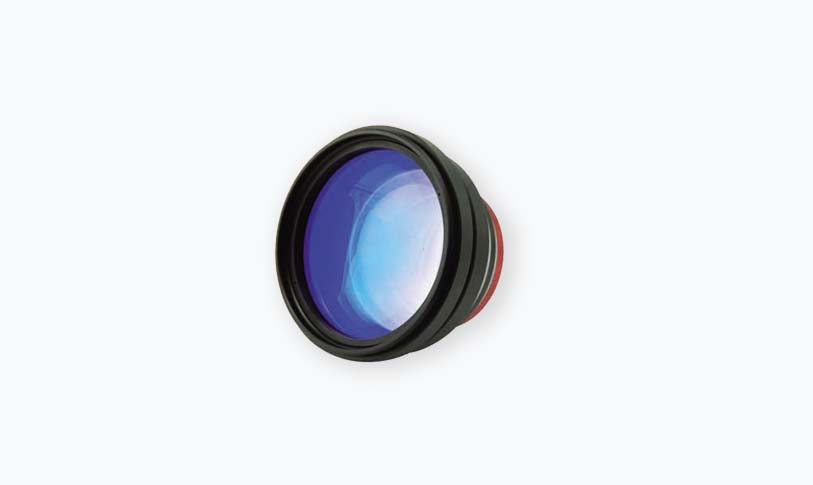
Exploring the Cutting-Edge Applications and Innovations in Ultraviolet Laser Light Technology for Various Industries
In conclusion, ultraviolet laser light is a multifaceted technology impacting a vast range of industries. Its ability to deliver precision, efficiency, and effectiveness makes it a cornerstone for current and future applications in medicine, manufacturing, research, and safety. As research continues and technology evolves, we can expect ultraviolet laser light to play an even more significant role in shaping innovations and enhancing techniques that will redefine industry standards and improve lives. The future of UV laser technology is bright, and its potential is limitless.