[nanosecond pulsed laser]Exploring the Revolutionary Applications and Advantages of Nanosecond Pulsed Lasers in Industrial and Medical Technologies
News 2024-12-10
****Nanosecond pulsed lasers are at the forefront of technological advances across various industries, offering unique capabilities that revolutionize how we approach tasks such as material processing, medical procedures, and scientific research. The precision and efficiency of these lasers have generated considerable interest among researchers and engineers alike. In this article, we will delve into the science behind nanosecond pulsed lasers, their key applications, and the advantages they offer over traditional laser technologies.
Understanding Nanosecond Pulsed Lasers
A nanosecond pulsed laser emits light in extremely short bursts, typically in the range of one billionth of a second (1 nanosecond = 10^(-9) seconds). This short pulse duration allows the laser to deliver an immense amount of energy in a very short time frame, resulting in high peak powers. This characteristic is critical for applications that require precision and minimal thermal effects on surrounding materials.
Material Processing
One of the primary applications of nanosecond pulsed lasers is in the field of material processing. These lasers are widely used for cutting, engraving, and marking various materials, including metals, plastics, and glass. The high peak power achieved through short pulses leads to efficient material ablation, allowing for intricate designs and sharp edges without the heat-affected zones associated with continuous wave lasers.
For instance, in the micro-machining industry, where precision is paramount, nanosecond pulsed lasers can create features on materials at the micrometer scale. This level of detail is immensely beneficial for the electronics industry, particularly in the fabrication of printed circuit boards and microchips, where precise cuts and modifications are necessary.
Medical Applications
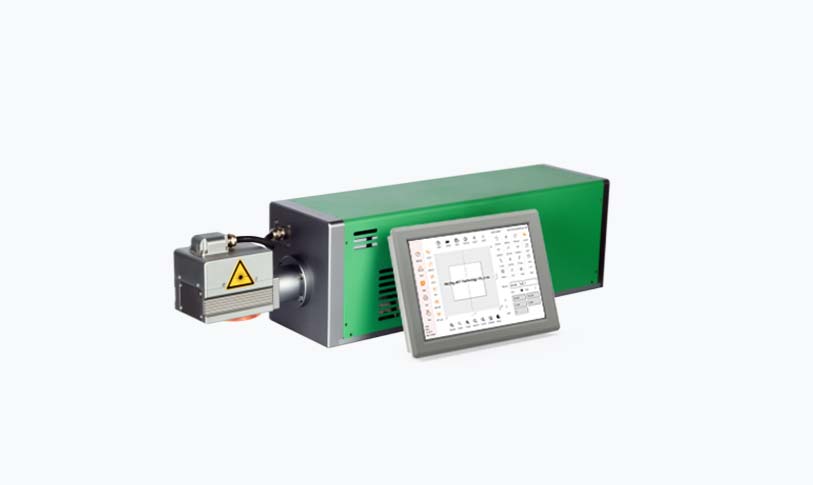
Exploring the Revolutionary Applications and Advantages of Nanosecond Pulsed Lasers in Industrial and Medical Technologies
One notable application is in laser-assisted surgeries, where the high precision of the laser can be utilized to incise tissues with minimal bleeding and trauma. This advantage translates to less postoperative discomfort and faster patient recovery. Recent studies also indicate that nanosecond pulsed lasers can stimulate collagen production, promoting healing and skin rejuvenation.
Scientific Research
The versatility of nanosecond pulsed lasers extends to scientific research as well. In laboratory settings, these lasers are utilized for spectroscopy and studying dynamic processes at the molecular level. The ability to generate short pulses enables researchers to capture rapid events, such as chemical reactions and phase transitions, providing deeper insights into the fundamental principles of physics and chemistry.
Moreover, nanosecond pulsed lasers play a critical role in diagnostic equipment, allowing for high-resolution imaging and analysis in various scientific fields, including biomedicine and material science. The advancements in laser technology contribute to more efficient data collection and analysis processes, enhancing research capabilities.
Advantages Over Traditional Technologies

Exploring the Revolutionary Applications and Advantages of Nanosecond Pulsed Lasers in Industrial and Medical Technologies
Secondly, because the pulses are so brief, the thermal impact on the material is reduced, leading to less warping or damage. This quality is particularly useful in applications involving delicate materials or when processing thin layers.
Lastly, the versatility of nanosecond pulsed lasers ensures they can be adapted for various tasks, making them a valuable asset across numerous sectors. As technologies continue to evolve, the integration of nanosecond pulsed lasers into modern processes signifies a promising future, characterized by efficiency, precision, and innovation.
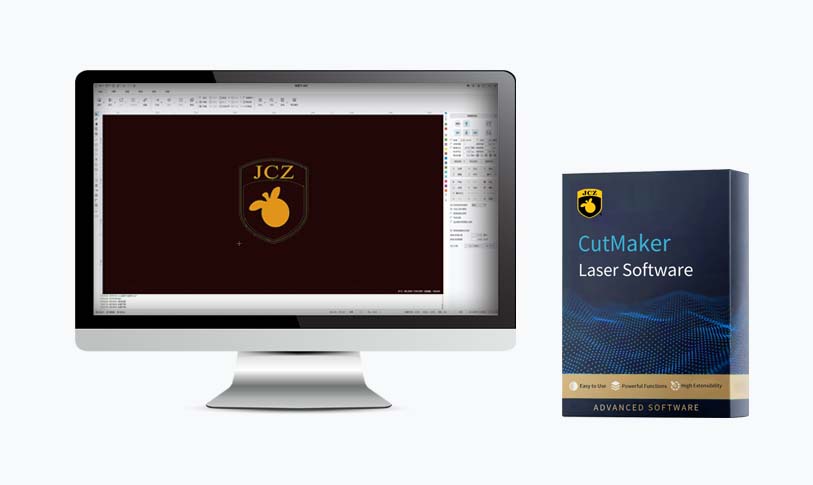
Exploring the Revolutionary Applications and Advantages of Nanosecond Pulsed Lasers in Industrial and Medical Technologies
In conclusion, nanosecond pulsed lasers are transforming how industries approach complex challenges, providing innovative solutions in material processing, medicine, and scientific research. Their unique properties, such as high precision and minimal thermal effects, grant them a distinct advantage over traditional laser technologies. As we continue to explore and harness the potential of nanosecond pulsed lasers, we stand on the brink of even greater advancements that could reshape the future of technology in profound ways.