[co2 laser]Exploring the Advantages and Applications of CO2 Lasers in Modern Technology and Medicine
News 2024-12-9

Exploring the Advantages and Applications of CO2 Lasers in Modern Technology and Medicine
CO2 lasers have gained significant attention in recent years due to their versatile applications across various fields, particularly in medicine and industry. These lasers utilize carbon dioxide as the active medium, producing a powerful beam that can be focused precisely for various uses. In this article, we will explore the unique advantages of CO2 lasers, their diverse applications, limitations, and the reasons behind their growing popularity.
Understanding CO2 Lasers
CO2 lasers operate by stimulating a mixture of carbon dioxide, nitrogen, and helium gases, which creates a coherent light beam in the infrared spectrum (wavelength of 10.6 micrometers). This particular wavelength allows CO2 lasers to be highly effective at cutting and engraving a wide range of materials, including metals, plastics, and fabrics. The efficiency of these lasers stems from their ability to absorb energy, making them effective in both medical and industrial applications.
Advantages of CO2 Lasers
One of the primary advantages of CO2 lasers is their precision. CO2 lasers can be finely focused, enabling intricate cuts and designs without damaging surrounding materials. This precision is invaluable in fields such as surgery, where accuracy is crucial for the safety and success of procedures.
Furthermore, CO2 lasers have relatively high power output, allowing them to work quickly even on thicker materials. This efficiency translates to faster production times in industrial applications, leading to cost savings for manufacturers. Coupled with their ability to operate continuously, CO2 lasers are an ideal choice for high-volume production environments.
Another advantage is their versatility. CO2 lasers are capable of cutting, engraving, and marking a wide variety of materials. In the medical field, for example, CO2 lasers are frequently used in surgical procedures for skin resurfacing, removing lesions, and performing delicate surgeries without significant scarring. In contrast, industries use them for engraving designs on promotional items, cutting intricate patterns on fabrics, and creating detailed prototypes.
Applications in Medicine
In the medical landscape, CO2 lasers have revolutionized the way numerous procedures are performed. From dermatology to gynecology, these lasers are used for their precision, minimal thermal damage, and reduced recovery times. Common applications in medicine include:
1. **Skin Resurfacing**: CO2 lasers are widely recognized for their effectiveness in treating various skin conditions, including wrinkles, scars, and lesions. They work by removing the outer layers of skin and stimulating collagen production, resulting in smoother and more youthful-looking skin.
2. **Surgical Procedures**: CO2 lasers are employed in various surgeries, such as laparoscopic procedures, where they can cut soft tissue with minimal bleeding and less risk of infection compared to traditional methods.
3. **Cosmetic Enhancements**: Beyond medical treatments, CO2 lasers are also integral to cosmetic procedures. They are used in the removal of tattoos and unwanted hair, demonstrating their popularity in the aesthetics industry.
Industrial Applications
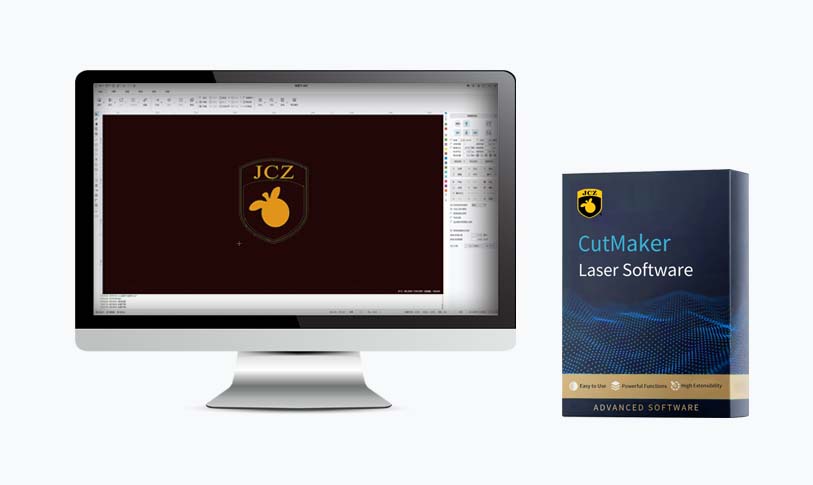
Exploring the Advantages and Applications of CO2 Lasers in Modern Technology and Medicine
1. **Material Cutting and Engraving**: Industries utilize CO2 lasers for high-precision cutting of materials ranging from wood and acrylic to metal and glass. The exactness of CO2 lasers allows for the creation of intricate designs and detailed components.
2. **Signage and Displays**: In the production of signs and displays, CO2 lasers are favored for their ability to engrave and cut high-quality letters and designs with sharp edges.
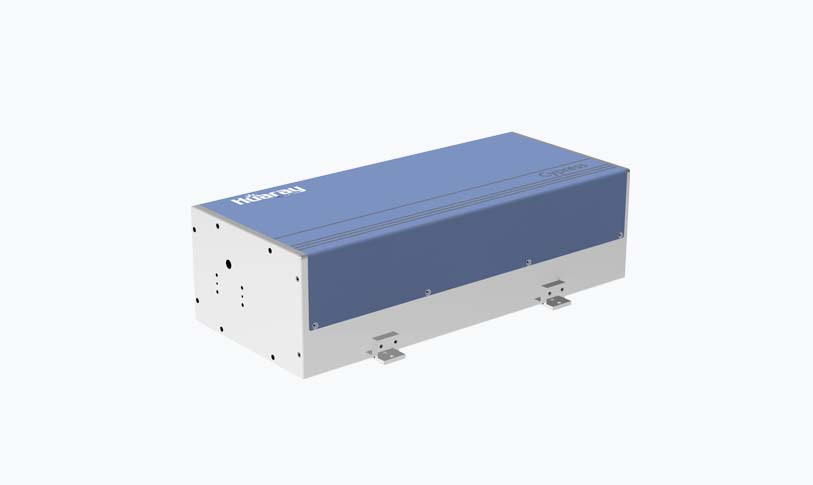
Exploring the Advantages and Applications of CO2 Lasers in Modern Technology and Medicine
Limitations of CO2 Lasers
Despite their numerous advantages, CO2 lasers do have limitations. For specifically penetrating certain materials, such as metals, other laser types may be more suitable. Furthermore, the initial investment cost for a CO2 laser system can be considerable, which might deter small businesses from integrating them into their operations.
Conclusion
In conclusion, CO2 lasers have become a critical tool in achieving precision and efficiency in both medical and industrial applications. Their unique characteristics, such as high power output and versatility, make them an ideal choice for a wide range of uses. As technology continues to advance, it is likely that the applications of CO2 lasers will expand further, solidifying their place in the future of modern technology and healthcare.