[uv femtosecond laser]Advancements in Medical Technology: Exploring the Versatile Applications of UV Femtosecond Lasers in Modern Healthcare
News 2024-12-9
****In recent years, the intersection of medicine and technology has become increasingly pronounced, with innovative tools revolutionizing various fields. Among these innovative tools, UV femtosecond lasers have emerged as a significant advancement in medical technology. By employing pulses of ultraviolet light that last on the order of femtoseconds (one quadrillionth of a second), this technology brings forth exciting possibilities across diverse medical applications.

Advancements in Medical Technology: Exploring the Versatile Applications of UV Femtosecond Lasers in Modern Healthcare
In ophthalmology, UV femtosecond lasers have revolutionized refractive surgery procedures like LASIK and SMILE. The traditional methods for creating corneal flaps often risk complications, such as misalignment or incomplete flaps. However, with the precision of UV femtosecond lasers, surgeons can create highly accurate corneal flaps, dramatically improving the outcomes of surgeries. This laser technology minimizes risks and enhances patient satisfaction, as it allows for quicker recovery times and less postoperative discomfort.
Furthermore, UV femtosecond lasers have applications in cataract surgery, where they facilitate the fragmentation of cataracts with unparalleled precision. Historically, cataract procedures relied on ultrasound energy to break up dense cataracts, which could lead to damage in adjacent tissues. UV femtosecond laser cataract surgery eliminates this concern by safely emulsifying the cataract tissue without producing thermal damage. This advancement permits a more efficient operation and potentially reduces the risks associated with surgery.
In the realm of dentistry, UV femtosecond lasers are transforming various procedures including cavity preparation, gum reshaping, and even teeth whitening. The precision of these lasers allows dental professionals to perform interventions with remarkable accuracy and minimal discomfort. For instance, when preparing cavities, traditional drills can cause anxiety and discomfort; however, when UV femtosecond lasers are utilized, patients experience less vibration and noise, contributing to a more positive dental experience.
Moreover, the application of UV femtosecond lasers extends to dermatology, where they are employed in both therapeutic and cosmetic procedures. Their ability to selectively target cells without damaging the surrounding tissue makes them ideal for treating skin conditions such as acne scars, psoriasis, and even wrinkles. The laser stimulates the body’s natural healing processes, promoting collagen production and improving skin texture. Procedures can often be performed with minimal downtime, making them an appealing option for patients seeking effective skin treatments without extensive recovery periods.
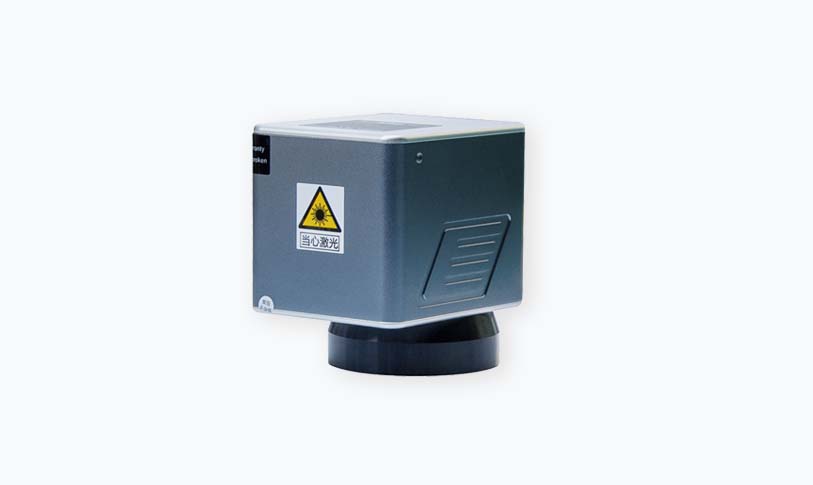
Advancements in Medical Technology: Exploring the Versatile Applications of UV Femtosecond Lasers in Modern Healthcare
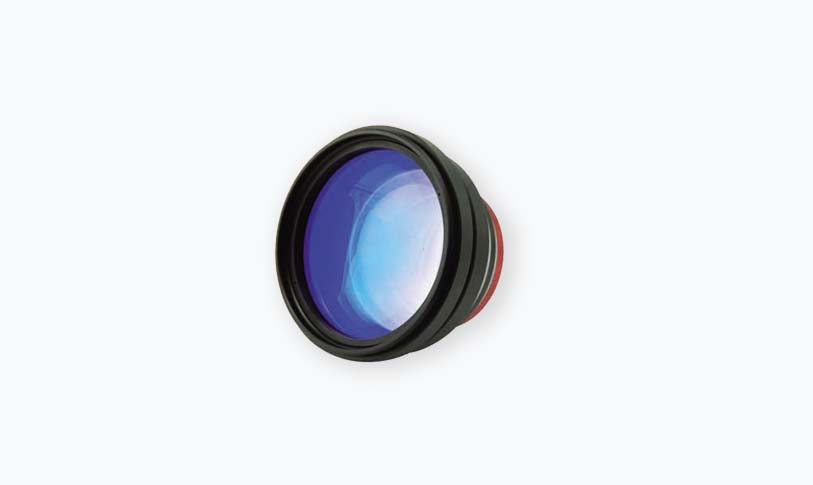
Advancements in Medical Technology: Exploring the Versatile Applications of UV Femtosecond Lasers in Modern Healthcare
In conclusion, the potential applications of UV femtosecond lasers in modern medicine are vast and continue to expand. From revolutionizing cataract surgeries to enhancing dental procedures and skin treatments, the precise energy delivery of UV femtosecond lasers enables medical professionals to offer better patient care with improved results. As technology advances and further research is conducted, we can anticipate even more innovative uses for this remarkable laser technology in the years to come. The future of healthcare looks bright, and UV femtosecond lasers stand at the forefront of this transformation, ushering in an era of precision medicine that improves the quality of care for all patients.