[uv laser system]Exploring the Advantages and Applications of UV Laser Systems in Modern Manufacturing and Research Environments
News 2024-12-8
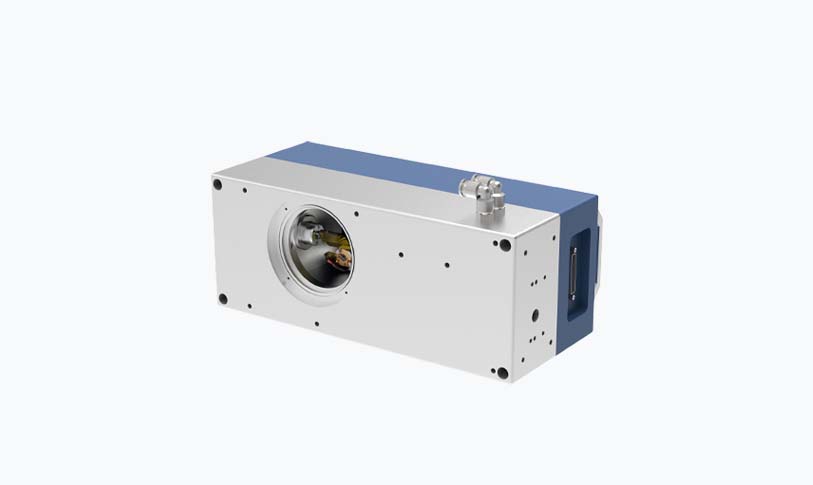
****
Exploring the Advantages and Applications of UV Laser Systems in Modern Manufacturing and Research Environments
**Understanding UV Laser Technology**
UV lasers emit light in the ultraviolet spectrum, typically at wavelengths ranging from 100 nm to 400 nm. The most common types of UV lasers include excimer lasers, frequency-tripled solid-state lasers, and diode-pumped solid-state lasers. The unique properties of these lasers allow for high precision in material processing, including cutting, marking, engraving, and ablation. The high energy of UV lasers enables them to interact with materials in a way that can lead to minimal thermal damage, which is particularly beneficial in sensitive applications where heat could alter the material's properties.
**Advantages of UV Laser Systems**
1. **Precision and Control**: One of the primary advantages of UV laser systems is their ability to deliver extremely precise laser beams. The shorter wavelength produces smaller spot sizes, allowing for detailed engraving or cutting of intricate designs and patterns. This level of precision is critical in industries such as electronics, where components are small and densely packed.
2. **Minimal Heat-Affected Zone**: UV lasers minimize the heat-affected zone during processing due to their high photon energy. As a result, they can effectively process heat-sensitive materials, such as polymers and certain metals, without causing unwanted thermal distortion or degradation.
3. **Versatility**: UV laser systems are incredibly versatile, capable of processing a wide array of materials. They can efficiently cut, engrave, and mark plastics, glass, ceramics, and metals. This versatility makes them valuable tools in multiple sectors including aerospace, automotive, medical device manufacturing, and consumer electronics.
4. **Environmentally Friendly**: Many traditional manufacturing processes generate harmful waste products or require harsh chemicals. UV laser systems, on the other hand, typically produce minimal waste and do not require toxic materials, contributing to more sustainable manufacturing practices.
5. **High-Speed Processing**: When compared to traditional machining processes, UV lasers can operate at much higher speeds without sacrificing quality. This efficiency can lead to reduced production times and lower operational costs, which is especially appealing in high-demand environments.

Exploring the Advantages and Applications of UV Laser Systems in Modern Manufacturing and Research Environments
1. **Semiconductor Manufacturing**: In the semiconductor industry, UV lasers play a crucial role in photolithography and microfabrication processes. They are used to pattern layers of photoresist with high precision, enabling the creation of microchips and integrated circuits.
2. **Medical Device Manufacturing**: The medical industry benefits significantly from UV laser technology, particularly in the production of intricate parts for devices like catheters, stents, and surgical instruments. The precision of UV lasers ensures that even the most complex devices can be manufactured to the tight tolerances required for successful operation.
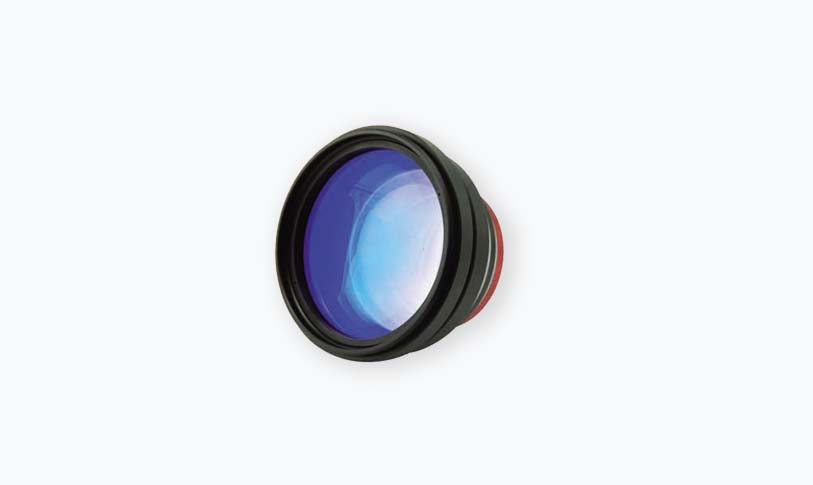
Exploring the Advantages and Applications of UV Laser Systems in Modern Manufacturing and Research Environments
4. **Textile and Packaging Industry**: The textile industry employs UV lasers for marking and cutting fabric materials with great accuracy. Similarly, in the packaging industry, UV lasers can create intricate designs and barcodes on various packaging materials without compromising their integrity.
5. **3D Printing and Additive Manufacturing**: In additive manufacturing, UV lasers can facilitate the rapid prototyping of complex geometries, allowing for the production of unique parts that would be difficult or impossible to create through traditional means.
In conclusion, UV laser systems represent a significant advancement in manufacturing technology, offering unparalleled precision, versatility, and efficiency across numerous applications. As industries continue to seek more sustainable and effective manufacturing solutions, the role of UV laser systems is likely to expand, shaping the future of production and research in exciting ways. With ongoing advancements in laser technology, the potential for innovation remains vast, paving the way for new opportunities and applications in the years ahead.