[etching software]The Complete Guide to Etching Software: Revolutionizing the Art of Engraving and Design in the Digital Age
News 2024-12-8

The Complete Guide to Etching Software: Revolutionizing the Art of Engraving and Design in the Digital Age

The Complete Guide to Etching Software: Revolutionizing the Art of Engraving and Design in the Digital Age
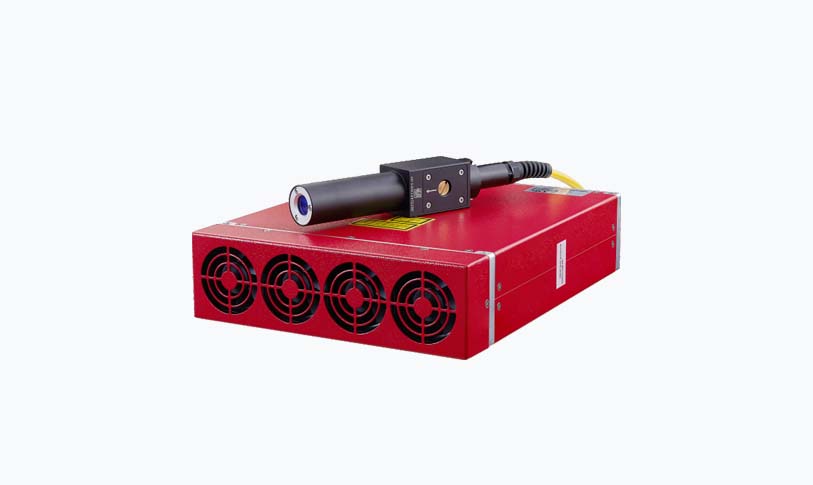
The Complete Guide to Etching Software: Revolutionizing the Art of Engraving and Design in the Digital Age
One of the standout features of modern etching software is its user-friendly interface. Many platforms are designed to cater to both novices and seasoned professionals, providing a range of tools that enable users to experiment with their creativity. From simple line drawings to complex patterns, the software typically includes features such as layering, digital brushes, and the ability to import images for tracing. As a result, artists can produce custom designs tailored to their specific needs.
Moreover, etching software often integrates seamlessly with various digital fabrication tools, such as laser engravers and CNC machines. This compatibility is crucial because it streamlines the workflow from design to production. Once the design is finalized, users can directly send their files to the engraving machinery, reducing the risk of errors and eliminating the need for physical templates.
In addition to its use in artistic endeavors, etching software has made significant inroads into commercial applications. Industries ranging from sign making to jewelry design now utilize these programs to produce intricate designs efficiently. For businesses, the software allows for swift adaptation to client requests, enabling quick revisions and variations of concepts—all without the delays that traditional etching methods typically involve.
Etching software is not just limited to two-dimensional designs; many programs also support three-dimensional modeling. This feature is particularly beneficial for artists looking to create depth in their works, allowing for a more dynamic visual experience. Users can manipulate their designs in a 3D space, adding layers and textures that further enhance the final output.
Another important aspect of etching software is its educational potential. Many universities and art schools have integrated these tools into their curricula, allowing students to explore digital etching alongside traditional techniques. This combination fosters a deeper understanding of both mediums, encouraging students to think creatively about the possibilities offered by technology in art.
However, like any technological advancement, there are challenges associated with the rise of etching software. While it democratizes access to design and production tools, it also raises questions about authenticity and artistic integrity. Some critics argue that the ease of digital design may lead to a dilution of traditional skills. Nevertheless, many artists find that etching software complements rather than replaces conventional techniques, providing new avenues for exploration.
In conclusion, etching software represents a significant leap forward in the world of design and engraving. It empowers artists and businesses alike to push the boundaries of creativity and craftsmanship. As technology continues to evolve, it will be exciting to see how etching software adapts and transforms, shaping the future of art and design in partnership with traditional methods. Whether for personal projects or commercial endeavors, the possibilities are virtually endless for those willing to embrace this innovative tool.