[green beam laser]Exploring the Versatility and Applications of the Green Beam Laser: A Comprehensive Guide to Its Technology and Uses
News 2024-12-7
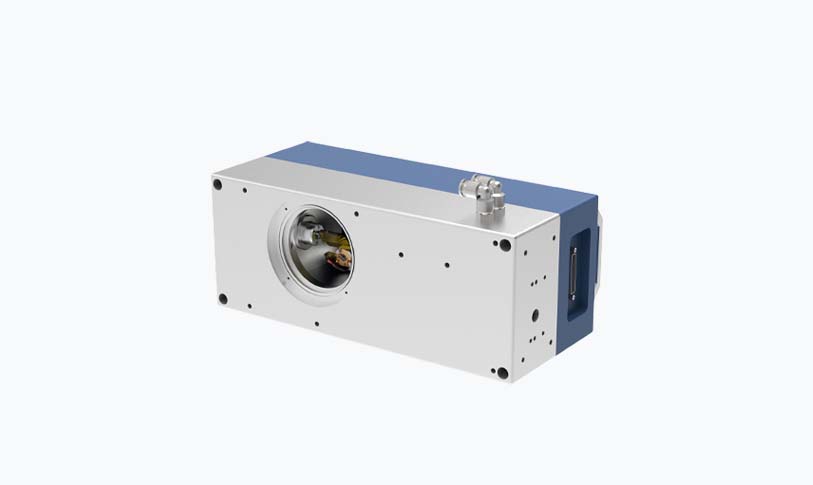
Exploring the Versatility and Applications of the Green Beam Laser: A Comprehensive Guide to Its Technology and Uses
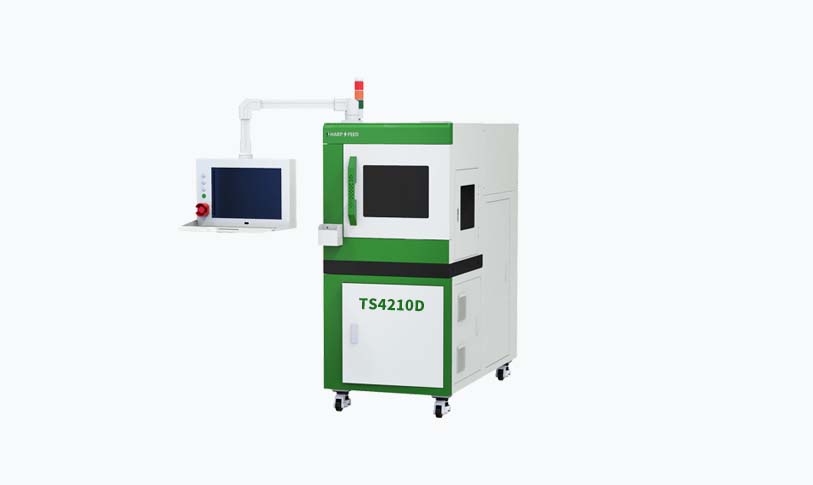
Exploring the Versatility and Applications of the Green Beam Laser: A Comprehensive Guide to Its Technology and Uses
The Science Behind Green Beam Lasers
At its core, a green beam laser generates light at a wavelength of around 532 nanometers, which falls within the visible spectrum. This specific wavelength is particularly appealing due to its high visibility to the human eye, appearing much brighter than lasers of other colors with equivalent power output. The brightness of a green laser is a result of how our eyes perceive light: green light stimulates our cone cells more effectively compared to red or blue light, making it a preferred choice for various applications.
Green beam lasers can be created through different methods, the most common being the use of a frequency-doubling technique involving a solid-state laser, such as a neodymium-doped laser. By converting the infrared light (1064 nm) produced by the solid-state laser into visible green light using a nonlinear crystal, manufacturers provide an effective and efficient solution for producing green laser beams.
Applications Across Industries
1. **Astronomy and Star Pointing** Astronomers frequently utilize green beam lasers for pointing out stars and constellations due to their visibility. Observers can easily track the laser’s path against the night sky, allowing for clearer communication in group settings or educational displays. This has made green lasers popular among amateur astronomers who want to share their passion with others.
2. **Laser Pointers** In educational and corporate environments, green beam lasers have become the standard for presentations. They provide a clear and easily visible pointer, ensuring that audiences can follow along with the speaker’s highlighted points. These laser pointers are essential tools in classrooms and meeting rooms, making them indispensable for teachers, professors, and business professionals.
3. **Medical Applications** In medicine, green lasers have found applications in various procedures, particularly in laser surgery and dermatology. They are effective in treating superficial skin conditions, performing precision surgeries, and even in dental practices for procedures requiring careful incision control. The compact design and compliance with safety standards make them a valuable resource in surgical environments.
4. **Surveying and Construction** Green beam lasers are also utilized in the construction industry, particularly for leveling and alignment tasks. Builders and surveyors employ green laser levels for establishing precise horizontal and vertical planes, ensuring accuracy in building structures. The brightness and visibility allow for use in daylight conditions, enhancing productivity on construction sites.
5. **Military and Navigation** In military applications, green beam lasers can be used for targeting and signaling, as their intensity and clarity are advantageous in various visibility conditions. Similarly, they assist in navigation, especially in situations where traditional methods may falter.
Safety Considerations
While the visibility and effectiveness of green beam lasers are significant, it is essential to also understand the safety aspects associated with their usage. Green lasers, especially those with higher power outputs, can potentially cause eye damage and should be used with caution. Users are advised to wear protective eyewear designed for laser safety, and always adhere to local regulations regarding laser use.

Exploring the Versatility and Applications of the Green Beam Laser: A Comprehensive Guide to Its Technology and Uses
The green beam laser is a remarkable tool that has found applications spanning fields from education to construction, astronomy to medicine. Its unique properties, particularly its visibility and versatility, make it an invaluable asset in numerous industries. As technology continues to evolve, we can expect even more innovative uses for green beam lasers to emerge, solidifying their position as fundamental instruments in both professional practices and everyday activities. Understanding their potential and exercising caution will ensure safe and effective use in the myriad applications where they shine the brightest.