[uv femtosecond laser]Exploring the Revolutionary Applications of UV Femtosecond Lasers in Medical, Industrial, and Research Domains
News 2024-12-7
****
Exploring the Revolutionary Applications of UV Femtosecond Lasers in Medical, Industrial, and Research Domains
At a fundamental level, UV femtosecond lasers operate by generating extremely short light pulses that can achieve peak powers in the gigawatt range. The ultraviolet wavelength results in higher photon energy, enabling the laser to ablate materials with minimal thermal damage. Unlike longer-wavelength lasers, where heat diffusion can cause collateral damage to surrounding tissues or materials, UV femtosecond lasers can achieve cleaner, more precise cuts. This precision is critical in many applications across diverse fields.
In the medical field, UV femtosecond lasers are making significant strides, particularly in ophthalmology. One of the most prominent applications is in LASIK eye surgery, where ultrasonic and conventional lasers once ruled. The precision of femtosecond lasers allows for the creation of corneal flaps with micrometer accuracy, drastically enhancing patient outcomes and reducing recovery time. Furthermore, these lasers are now being explored for their potential in treating various eye conditions, including cataracts and glaucoma, by facilitating more effective and less invasive surgical procedures.
Moreover, UV femtosecond lasers have proven valuable in dermatology for tasks like tattoo removal and skin resurfacing. The ability to target specific chromophores within the skin allows the laser to break down ink particles without significantly damaging surrounding healthy tissue. This results in fewer side effects and shorter recovery times when compared to traditional methods. As demand for non-invasive dermatological treatments grows, the versatility and effectiveness of UV femtosecond lasers are likely to become increasingly prominent.
In the industrial sector, UV femtosecond lasers are transforming manufacturing processes. Their ability to micromachine materials with precision has made them indispensable in areas such as electronics, aerospace, and automotive industries. For instance, in the creation of microelectronics, UV femtosecond lasers can create intricate patterns or etch circuits on silicon wafers without damaging the underlying material. This not only enhances the quality of the components but also increases production efficiency.
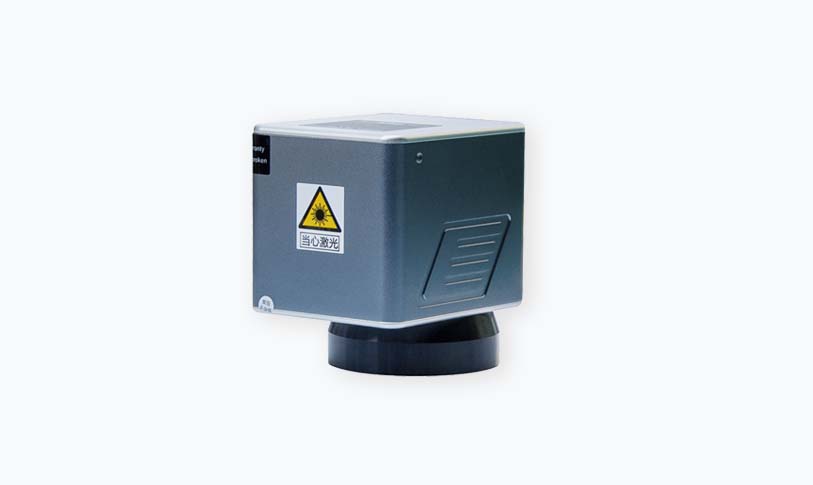
Exploring the Revolutionary Applications of UV Femtosecond Lasers in Medical, Industrial, and Research Domains
Research is another domain significantly benefiting from UV femtosecond lasers. Scientists utilize these lasers in fields like materials science, where their precise energy delivery can lead to new insights into the properties of matter at the microscale. The ability to induce ultra-fast chemical reactions makes these lasers a tool of choice for studies in photochemistry and the development of novel materials.
Furthermore, UV femtosecond lasers are playing a pivotal role in the field of biophysics. They enable the visualization of fast biological processes in real-time at the molecular level, providing critical insights into biological functions and interactions. This capability can lead to breakthroughs in drug discovery and the understanding of diseases.
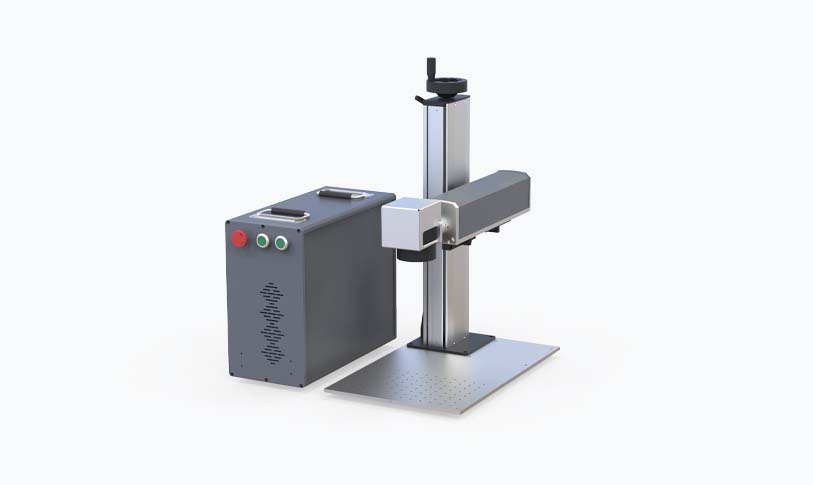
Exploring the Revolutionary Applications of UV Femtosecond Lasers in Medical, Industrial, and Research Domains
In conclusion, UV femtosecond lasers are on the brink of revolutionizing numerous fields through their unique combination of precision and efficiency. Their applications in healthcare, manufacturing, and scientific research highlight their versatility and potential, making them an exciting topic for further exploration and development. As technology advances, we can expect to see even more innovative applications emerge, solidifying the role of UV femtosecond lasers as a cornerstone of modern science and industry.