[ultraviolet laser]Exploring the Revolutionary Applications and Advancements in Ultraviolet Laser Technology: A Comprehensive Insight into Its Impact Across Industries
News 2024-12-6
****Ultraviolet (UV) lasers, with their unique properties and capabilities, are making significant strides across multiple industries. Their ability to produce high-energy photons enables them to engage in a variety of applications, ranging from medical therapy to materials processing. This article delves into the advancements of ultraviolet laser technology, examining its applications and implications across various fields, and exploring how it stands to revolutionize traditional practices.
One of the most notable advantages of ultraviolet lasers is their precision. These lasers emit light at short wavelengths, typically ranging from 100 to 400 nanometers, which allows for highly focused beams that can be finely controlled. This precision has led to their widespread use in industrial applications, particularly in the realm of materials processing. For example, the integration of UV lasers in micromachining has enabled manufacturers to achieve intricate designs and high-resolution features on small components that were once deemed impossible with traditional methods. Industries such as electronics, automotive, and aerospace benefit greatly from this level of detail, as it drives innovation and promotes the development of more complex, smaller, and lighter products.
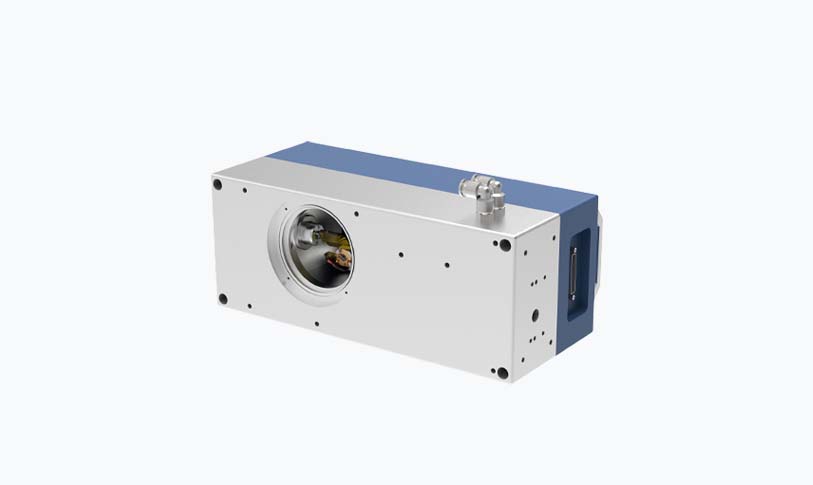
Exploring the Revolutionary Applications and Advancements in Ultraviolet Laser Technology: A Comprehensive Insight into Its Impact Across Industries
Another exciting development in the realm of ultraviolet laser technology is its growing role in sterilization and disinfection processes, especially in the wake of global health crises caused by pathogens like COVID-19. Ultraviolet light, particularly at germicidal wavelengths, is known for its effectiveness in eliminating bacteria, viruses, and other microorganisms. UV lasers are being deployed in hospitals, public transportation systems, and other high-touch environments to enhance safety measures. This application not only showcases the practicality of UV lasers but also underlines the need for reliable and effective tools in protecting public health.
Research and development into ultraviolet laser technology continue to yield promising results, showcasing its potential beyond conventional uses. For instance, scientists are investigating the use of UV lasers in the field of photonics and quantum computing. By producing and manipulating entangled photons, UV lasers can lead to breakthroughs in secure communication technologies, thus paving the way for future advancements in information technology.

Exploring the Revolutionary Applications and Advancements in Ultraviolet Laser Technology: A Comprehensive Insight into Its Impact Across Industries
Despite the many advantages and promising applications of ultraviolet lasers, there are also challenges that must be addressed. The high energy levels emitted by UV lasers can pose safety hazards to both workers and the environment if not handled correctly. It is imperative that industries adopt appropriate safety protocols and develop protective equipment to mitigate these risks. Additionally, the research community is continuously working to enhance the efficiency and cost-effectiveness of ultraviolet lasers, as these factors play a crucial role in their widespread adoption in commercial settings.
