[Green Laser]Exploring the Versatility and Applications of Green Laser Technology in Modern Science and Everyday Life
News 2024-12-6
Green lasers have emerged as a groundbreaking technological advancement in various fields, ranging from scientific research to entertainment and navigation. With their distinctive color and strong visibility, these lasers have become indispensable tools in many applications. In this article, we will explore the properties of green lasers, their unique advantages, and the diverse ways they are utilized across different sectors.
**Understanding Green Lasers**
At the heart of every laser is a simple principle: the stimulation of atoms to emit light. Green lasers typically operate at a wavelength of 532 nanometers, making them highly visible to the human eye, which is most sensitive to this range of light. The most common type of green laser currently in use is the diode-pumped solid-state (DPSS) laser, which is known for its compact size, efficiency, and ability to produce a bright beam.
**Advantages of Green Lasers**
One of the principal reasons for the widespread use of green lasers is their impressive visibility range. The intensity of the green light makes it easier to see at greater distances compared to red lasers, which operate at longer wavelengths (typically 635-650 nanometers). This quality is particularly beneficial for applications such as astronomy, where precise alignment and targeting are crucial. Green lasers are also less affected by atmospheric conditions like fog, making them more reliable for outdoor use.
**Applications of Green Lasers**
1. **Scientific Research and Industry:** Green lasers play a crucial role in a wide array of scientific applications. They are commonly used in laboratories for various tasks including spectroscopy, laser-induced fluorescence, and laser engraving. In the field of optics, green lasers serve as alignment tools for ensuring that complex optical systems are correctly calibrated.

Exploring the Versatility and Applications of Green Laser Technology in Modern Science and Everyday Life

Exploring the Versatility and Applications of Green Laser Technology in Modern Science and Everyday Life
3. **Navigation and Safety:** In navigation, green lasers are often employed in aviation and marine applications, where visibility is paramount. Pilots use laser pointers to highlight specific routes, while mariners rely on powerful green laser devices for signaling and communication during nighttime operations. The portable nature of these lasers makes them ideal for emergency use, allowing individuals to easily mark their position when in distress.
4. **Laser Surgery:** The medical industry has also harnessed the power of green lasers for specific surgical procedures. The precision provided by these lasers allows for minimal tissue damage and faster recovery times. For instance, ophthalmic surgeons use green lasers to treat certain eye conditions, effectively reducing the risk during procedures.
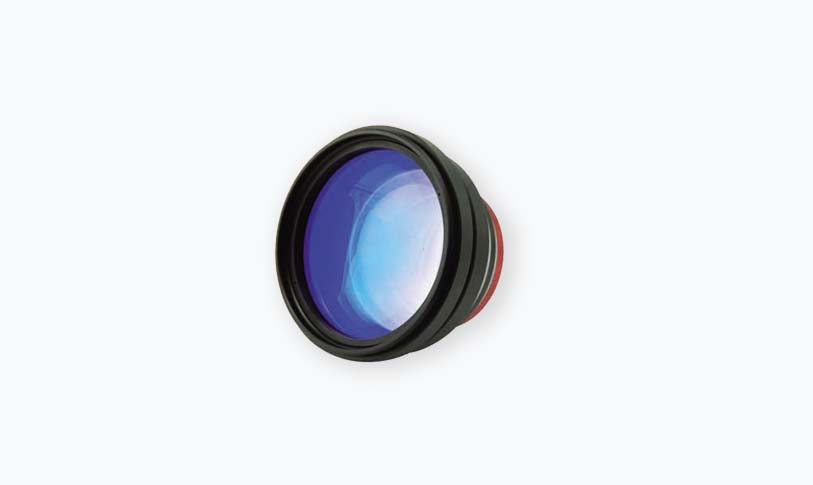
Exploring the Versatility and Applications of Green Laser Technology in Modern Science and Everyday Life
**Environmental Considerations**
As valuable as green lasers are, there are environmental considerations to take into account. The production and disposal of laser components can have ecological impacts, and misuse of lasers can pose risks to wildlife and aviation safety. Consequently, it is vital for users to operate these devices responsibly and adhere to legal regulations concerning laser use.
**Conclusion**
In summary, green laser technology has made significant contributions across various industries, demonstrating versatility and effectiveness in several applications. From enhancing scientific research capabilities to lighting up entertainment venues, the distinctive features of green lasers have solidified their place in modern society. As technology continues to evolve, we can anticipate further innovations that will harness the incredible potential of green lasers, paving the way for new discoveries and advancements in both science and everyday life.