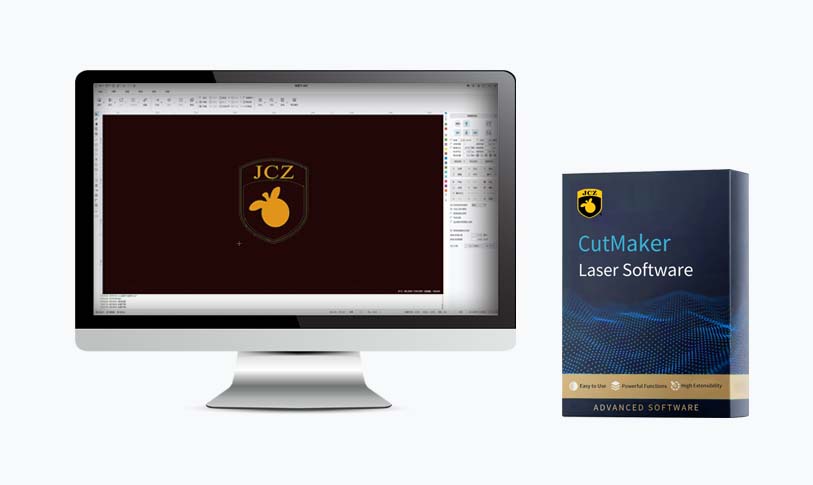
[laser scanning software]Maximizing Efficiency and Precision in Modern Architecture and Engineering: The Role of Laser Scanning Software in Streamlining Project Workflows
News 2024-12-1
In recent years, the architectural and engineering industries have witnessed a significant transformation, driven by advancements in technology. One innovation that has notably changed the way projects are designed, planned, and executed is laser scanning software. This cutting-edge tool leverages laser scanning technology to create highly accurate 3D representations of physical environments, streamlining project workflows and enhancing productivity.

Maximizing Efficiency and Precision in Modern Architecture and Engineering: The Role of Laser Scanning Software in Streamlining Project Workflows

Maximizing Efficiency and Precision in Modern Architecture and Engineering: The Role of Laser Scanning Software in Streamlining Project Workflows
Furthermore, laser scanning software facilitates faster data collection compared to conventional methods. In the past, creating a comprehensive survey of a site could take days or even weeks. With the advent of laser scanners, a full site scan can be executed in a matter of hours, enabling teams to move forward with project planning without delays. This efficiency translates to cost savings and allows architects and engineers to allocate resources more effectively.
An additional advantage of laser scanning software is its capability to integrate with various Building Information Modeling (BIM) tools. By merging the precise data captured through laser scanning with BIM software, teams can create detailed and accurate representations of existing conditions. This integrated approach aids in better visualization of projects, helps identify potential conflicts early in the design phase, and enhances overall coordination between different stakeholder groups. With improved collaboration on designs and modifications, teams are less likely to face disagreements or misunderstandings, which can further slow down project progress.
The use of laser scanning software is not limited to traditional construction and design projects. It has found applications in various fields, including historical preservation, heritage management, and even forensics. In historical preservation, for instance, laser scanning enables professionals to capture intricate details of heritage sites, ensuring that restoration efforts respect and retain the original character of the structure. This application underscores the versatility of laser scanning software across diverse industries.
Moreover, the scalability of laser scanning technology allows it to be used in projects of varying sizes. From small-scale renovations to large infrastructure developments, laser scanning can be adapted to meet the specific requirements of any project. This flexibility helps firms maintain momentum and adaptability, crucial traits in an ever-evolving industry landscape.
However, while the benefits of laser scanning software are evident, it is also important to acknowledge the challenges associated with its implementation. The initial investment in laser scanning equipment and software can be substantial. Moreover, organizations may face a learning curve as employees adapt to new technologies and workflows. Training and ongoing support are essential to ensure the effective use of laser scanning software across teams.