[galvo mirror]Understanding the Role of Galvo Mirrors in Modern Laser Applications: Technology, Benefits, and Future Developments
News 2024-11-30
Galvo mirrors, or galvanometer mirrors, are critical components in many laser systems, effectively bridging the gap between technology and application. Their primary function is to direct laser beams with high precision and speed, making them indispensable in various fields such as manufacturing, medical applications, and research facilities. This article delves into the technology behind galvo mirrors, their benefits, and the emerging trends that signify their growing importance in modern applications.
**What are Galvo Mirrors?**
Galvo mirrors function as fast, motor-driven mirrors that pivot on either horizontal or vertical axes to redirect laser beams. They leverage galvanometer technology, which allows for rapid and precise positional adjustments. When paired with laser systems, these mirrors can modulate the direction of the beam accurately, enabling high-speed scanning and intricate engraving or cutting processes.
The fundamental operation of a galvo mirror relies on the control of electric currents through coil windings. As electrical signals are sent to the coils, the resultant magnetic field induces movement in the mirror, allowing it to rotate to predetermined angles. The speed and accuracy of this adjustment make galvo mirrors exceptionally suitable for applications requiring high-resolution imaging and rapid response times.
**Applications of Galvo Mirrors**
1. **Manufacturing**: In industrial settings, galvo mirrors are instrumental for laser engraving, marking, and cutting processes. By directing laser beams with high precision, manufacturers can achieve detailed engravings on various materials, including metals, plastics, and glass. The speed at which galvo mirrors operate also translates to faster production times, giving manufacturers a competitive edge in efficiency.
2. **Medical Technology**: Galvo mirrors find extensive applications in the medical field, particularly in laser surgeries and diagnostics. Laser systems equipped with galvo mirrors can perform intricate procedures such as photocoagulation, where focused laser beams are used to treat various eye conditions. The precision and control offered by these mirrors ensure that lasers are directed accurately, minimizing damage to surrounding tissues.
3. **3D Printing and Scanning**: The synergy between galvo mirrors and advanced 3D printing techniques has opened new frontiers in manufacturing. With their ability to quickly and accurately position laser beams, these mirrors allow for efficient layering in additive manufacturing. Additionally, in laser scanning, galvo mirrors enhance image capture by rapidly moving the laser across surfaces, facilitating detailed 3D imaging.
4. **Research and Development**: In laboratories, galvo mirrors are crucial for various experimental setups that require precise beam positioning. For instance, they are often employed in optical experiments where alignment and stability of laser beams are paramount. Researchers utilize these mirrors to enhance the performance of optical devices and systems, leading to breakthroughs in fields like photonics and quantum computing.
**Benefits of Galvo Mirrors**
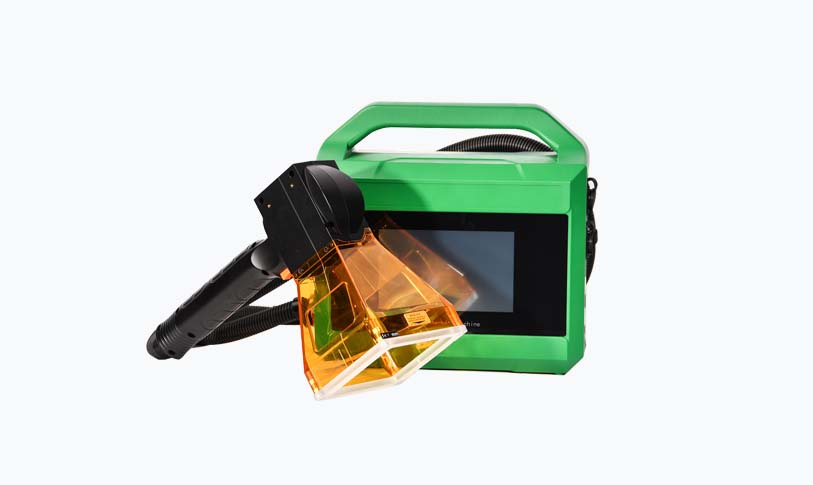
Understanding the Role of Galvo Mirrors in Modern Laser Applications: Technology, Benefits, and Future Developments

Understanding the Role of Galvo Mirrors in Modern Laser Applications: Technology, Benefits, and Future Developments

Understanding the Role of Galvo Mirrors in Modern Laser Applications: Technology, Benefits, and Future Developments
- **Speed**: Galvo mirrors offer the capability for ultrafast beam movement, significantly boosting operational efficiency. In applications like laser engraving, this speed translates into reduced cycle times and increased productivity.
- **Precision**: With computer-controlled movements, galvo mirrors can achieve sub-millimeter accuracy. This precision is essential in applications where slight misalignments can lead to compromised results.
- **Flexibility**: Galvo mirrors can adapt to a range of applications across multiple industries. Their ability to work seamlessly with different types of laser systems makes them versatile tools in various technological advancements.
- **Minimized Setup Time**: As these mirrors can be programmed for specific tasks, the setup time for laser applications is drastically reduced. This efficiency allows businesses and researchers to focus more on innovation rather than lengthy preparation.
**Future Developments in Galvo Mirror Technology**
As industries continue to evolve, so too do the technologies that support them. The future of galvo mirrors lies in improved materials and enhanced control algorithms, all aimed at increasing their operational speed and longevity. Developments in miniaturization may pave the way for smaller, more compact galvo systems, making them even more accessible for a broader range of applications.
Moreover, with the rise of automation and AI integration in industrial practices, we can expect galvo mirrors to be integrated into more advanced control systems that allow for real-time adjustments based on feedback loops, further enhancing their precision and efficiency.
**Conclusion**
In conclusion, galvo mirrors are more than just mechanical devices; they embody the intersection of speed, precision, and versatility that modern laser applications demand. As industries continue to push the boundaries of what is possible with laser technology, the reliance on galvo mirrors is bound to increase, solidifying their role as essential components in the future of manufacturing, medical technology, and research. Their ongoing evolution signals a promising trajectory for innovations that will undoubtedly reshape how we approach laser applications.