[picosecond q switched laser]Exploring the Revolutionary Applications and Advancements of Picosecond Q-Switched Lasers in Modern Technology and Medicine
News 2024-11-29
In the world of advanced laser technology, few innovations have made as significant an impact as the picosecond Q-switched laser. This cutting-edge tool harnesses the power of extremely short bursts of light to achieve remarkable results across a multitude of fields, from industrial applications to medical procedures. As we delve into the intricacies of picosecond Q-switched lasers, we will reveal their mechanism of action, advantages, various applications, and future potential.
**Understanding Picosecond Q-Switching**
A picosecond Q-switched laser operates by generating optical pulses on the order of one trillionth of a second. This is achieved through a process known as "Q-switching," where the laser’s cavity is modulated to produce high-energy light bursts instead of continuous output. The term "picosecond" refers to the duration of these laser pulses, which is shorter than a nanosecond, allowing for precision and efficacy that is unmatched by other laser types.

Exploring the Revolutionary Applications and Advancements of Picosecond Q-Switched Lasers in Modern Technology and Medicine
**Applications in Medicine**
Picosecond Q-switched lasers have carved out a crucial role in the field of medicine, particularly in dermatology and aesthetics. These lasers are highly effective for tattoo removal, as their short pulse duration allows for the targeted disruption of ink particles without damaging the surrounding tissue. This precision minimizes side effects and speeds up recovery times for patients.
In addition to tattoo removal, picosecond lasers are increasingly used for skin rejuvenation. They facilitate processes like photo-rejuvenation and treatment of pigmented lesions by effectively targeting melanin within the skin. The rapid pulse duration helps to break apart melanin particles, which are then naturally eliminated by the body, leading to a more even skin tone and reduced signs of aging.

Exploring the Revolutionary Applications and Advancements of Picosecond Q-Switched Lasers in Modern Technology and Medicine
**Industrial Applications**
Beyond the medical field, picosecond Q-switched lasers have found numerous applications in industrial settings. They are used in materials processing, such as precision cutting, drilling, and engraving. The high peak power of these lasers allows for effective interaction with a wide variety of materials, including metals, ceramics, and plastics.
One of the most promising industrial applications is in the realm of microfabrication. The ability to precisely remove material at the micron level is invaluable in the manufacturing of microelectronics and high-precision components. With the advent of picosecond laser technology, manufacturers are now able to achieve intricate designs with exceptional precision and fidelity.
**Research and Advancements**
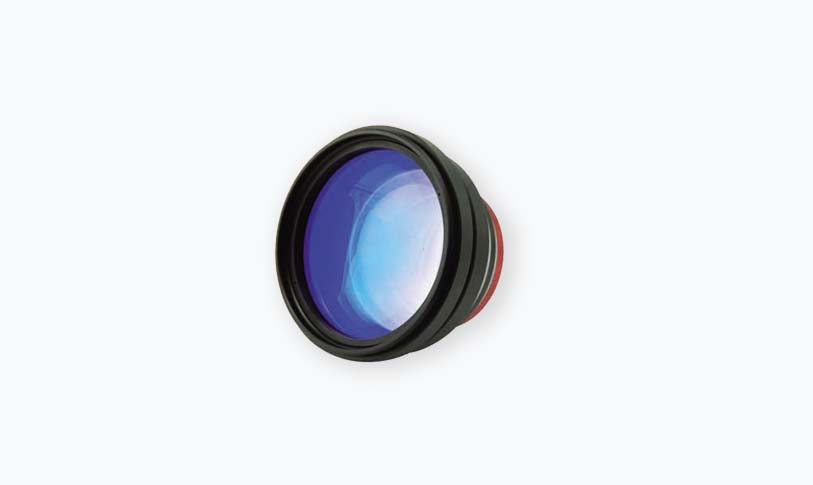
Exploring the Revolutionary Applications and Advancements of Picosecond Q-Switched Lasers in Modern Technology and Medicine
Moreover, as the demand for high-precision and non-invasive methods increases across various sectors, the role of picosecond Q-switched lasers is bound to expand. The technology has already begun to transition into new areas such as pharmaceuticals, where the ability to induce precise reactions at the molecular level can lead to breakthroughs in drug development and delivery.
**Conclusion**
In summary, picosecond Q-switched lasers represent a significant advancement in laser technology, providing unparalleled precision and efficacy across a diverse array of applications. From enhancing medical treatment options to revolutionizing industrial manufacturing processes, the implications of this technology are vast and varied. As research continues and innovation unfolds, the future of picosecond Q-switched lasers looks promising, opening doors to new possibilities and solutions in both modern technology and medicine. Their ability to manipulate materials and biological tissues with such finesse is setting new standards in numerous fields, making them indispensable tools in the quest for advancement.