[laser 488 nm]Exploring the Applications and Benefits of Laser 488 nm Technology in Modern Scientific Research and Industrial Processes
News 2024-11-24
****The utilization of laser technology has revolutionized a multitude of fields, from medical procedures to scientific research and industrial applications. One wavelength that has gained significant attention in various sectors is the laser 488 nm. This specific wavelength falls within the blue region of the visible spectrum and has distinct properties that make it highly advantageous for numerous applications. In this article, we will explore the foundational principles, advantages, and various applications of laser 488 nm technology, highlighting its importance in today's highly advanced scientific landscape.
Understanding Laser 488 nm
A 488 nm laser typically refers to a laser that emits light at a wavelength of 488 nanometers, commonly produced by either argon-ion lasers or diode lasers. Lasers at this wavelength emit blue light, which is coherent, monochromatic, and can be precisely focused. These characteristics are critical in research and technology, where high precision and accuracy are paramount.
Optical Characteristics and Advantages
1. **Coherence and Directionality**: The coherence of a laser beam means that all the light waves move in unison in terms of phase and direction. This results in a highly focused beam capable of reaching long distances with minimal dispersion. For applications such as microscopy, this feature is crucial for enhancing image resolution and depth.
2. **Monochromaticity**: As a monochromatic light source, laser 488 nm can excite specific fluorescent dyes and markers used in biological studies. This property is particularly useful in fluorescence microscopy and flow cytometry, where high precision is necessary for distinguishing between different cellular components.
3. **Minimal Heat Generation**: Compared to other lasers, the 488 nm laser generates less heat, reducing the risk of damaging sensitive biological samples or electronic devices. This quality is essential, especially when performing delicate manipulations in laboratory settings.
Applications in Scientific Research
Laser 488 nm technology has been pivotal in various branches of scientific research, including biology, chemistry, and physics. Some notable applications include:
1. **Fluorescence Microscopy**: In biological research, the 488 nm laser excites fluorescent probes such as GFP (Green Fluorescent Protein) and other dye molecules. These markers are used to visualize cellular structures, monitor dynamic processes in live cells, and study the interactions between proteins.
2. **Flow Cytometry**: Flow cytometry utilizes lasers to analyze the physical and chemical characteristics of cells or particles as they flow in a fluid stream. The laser 488 nm is often employed to excite fluorescent markers in cells, allowing researchers to define cell populations based on specific characteristics, such as size, granularity, and marker expression.

Exploring the Applications and Benefits of Laser 488 nm Technology in Modern Scientific Research and Industrial Processes
Industrial and Technological Applications
The utility of laser 488 nm extends beyond research laboratories into various industrial applications. These include:
1. **Material Processing**: The precision of laser cutting and engraving technology leverages 488 nm lasers, which offer fine detail in the processing of materials like plastics and semiconductors.

Exploring the Applications and Benefits of Laser 488 nm Technology in Modern Scientific Research and Industrial Processes
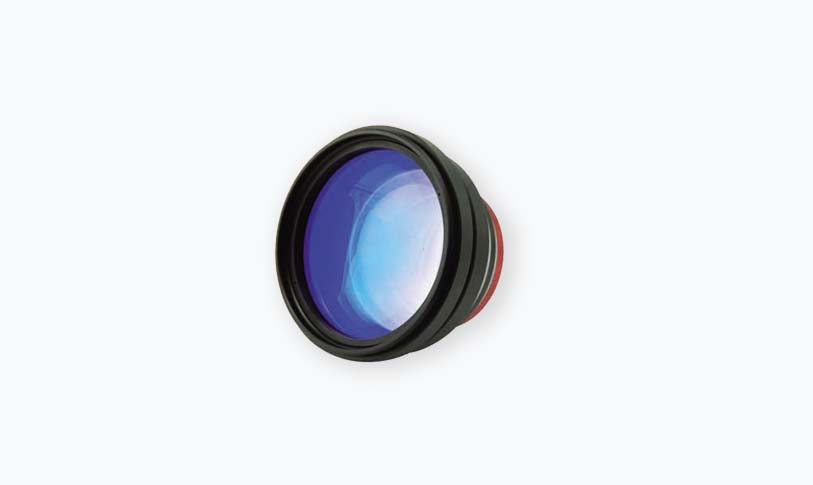
Exploring the Applications and Benefits of Laser 488 nm Technology in Modern Scientific Research and Industrial Processes
Conclusion
The versatility of laser 488 nm technology highlights its essential role across a range of disciplines. From enhancing the clarity and precision in scientific research to improving processes in various industries, the applications for laser 488 nm are extensive and continually evolving. As advancements in laser technology progress, we can expect further innovations that will unlock new potentials in both research and industry, reinforcing the importance of this blue laser wavelength in the scientific community and beyond.