[short pulsed laser]Understanding the Innovative Applications and Advantages of Short Pulsed Lasers in Modern Technology and Industry
News 2024-11-24
Introduction to Short Pulsed Lasers
Short pulsed lasers are revolutionizing various fields in modern technology and science. Unlike continuous-wave lasers, which emit a steady beam of light, short pulsed lasers generate pulses that last only a few femtoseconds (10^-15 seconds) to picoseconds (10^-12 seconds). This unique ability to produce highly focused bursts of energy enables these lasers to interact with materials and biological systems in extraordinary ways. Their rapid advancements in capabilities have led to groundbreaking applications in medicine, manufacturing, telecommunications, and scientific research.
Principles of Operation
At the core of short pulsed laser technology lies the interaction of light and matter. When a short pulse of laser light intersects a material, the high-intensity beam can induce nonlinear optical effects. These effects occur because the laser light is intense enough to alter the refractive index of the material on very short timescales. As a result, short pulsed lasers can achieve precise control over various physical processes.
One key mechanism at play is the phenomenon of multiphoton absorption, where two or more photons are absorbed simultaneously by a material. This leads to effects such as localized heating, which is critical for applications like laser ablation, micromachining, and even medical procedures.
Applications in Medical Science
One of the most impressive applications of short pulsed lasers is in the field of medicine. For instance, in ophthalmology, these lasers are used in procedures like LASIK eye surgery. The short duration of the laser pulse minimizes thermal damage to surrounding tissues, allowing for highly precise reshaping of the cornea with minimal recovery time for patients. Additionally, they are being explored for cancer treatment as a non-invasive option that can selectively target and destroy tumor cells without affecting the surrounding healthy tissues.
Furthermore, short pulsed lasers play a significant role in dermatology for the treatment of various skin conditions. Their ability to deliver concentrated energy to specific layers of the skin allows for effective treatments of acne scars, tattoos, and pigmentation disorders without extensive recovery periods.
Manufacturing and Material Processing
In industrial manufacturing, short pulsed lasers have transformed processes like material cutting, welding, and engraving. The precision offered by the femtosecond laser pulses enables manufacturers to create intricate designs in materials such as metals, plastics, and ceramics. This level of precision was previously unattainable with traditional methods, leading to reduced waste and lower production costs.
One prominent application in the automotive and aerospace industries is the laser ablation of coatings. Short pulsed lasers can selectively remove layers of paint, polymer coatings, or even metals with minimal impact on the underlying material. This leads to improved quality control and the ability to restore parts without drastic alterations.
Advancements in Telecommunications
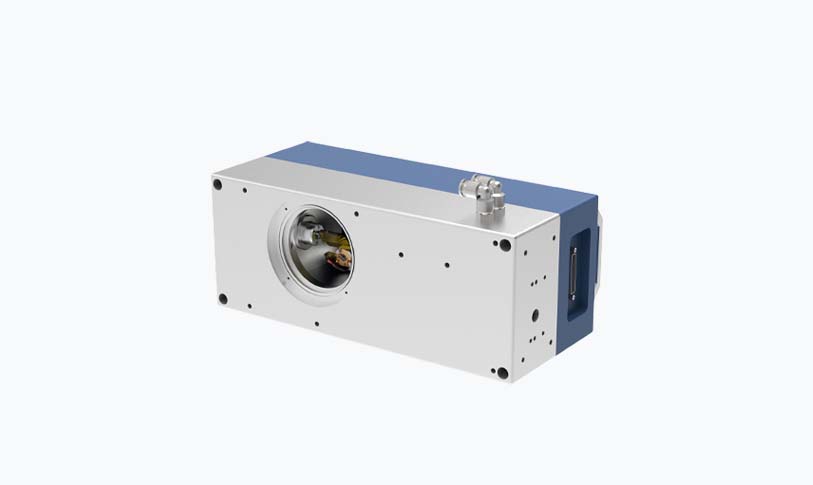
Understanding the Innovative Applications and Advantages of Short Pulsed Lasers in Modern Technology and Industry
Moreover, short pulsed lasers are employed in the development of innovative devices like laser rangefinders and LIDAR systems. These systems utilize the time-of-flight of laser pulses to accurately measure distances, essential for applications in autonomous driving, robotics, and environmental monitoring.
Future Prospects and Conclusion

Understanding the Innovative Applications and Advantages of Short Pulsed Lasers in Modern Technology and Industry

Understanding the Innovative Applications and Advantages of Short Pulsed Lasers in Modern Technology and Industry
In conclusion, short pulsed lasers represent a remarkable intersection of science and engineering, bringing about new possibilities and efficiencies across diverse fields. Their ability to manipulate materials with unprecedented accuracy and speed will continue to drive innovation, making them an essential tool in our rapidly evolving technological landscape.