[fiber laser software]Exploring the Impact of Fiber Laser Software on Precision Cutting and Manufacturing Efficiency in Modern Industries
News 2024-11-23
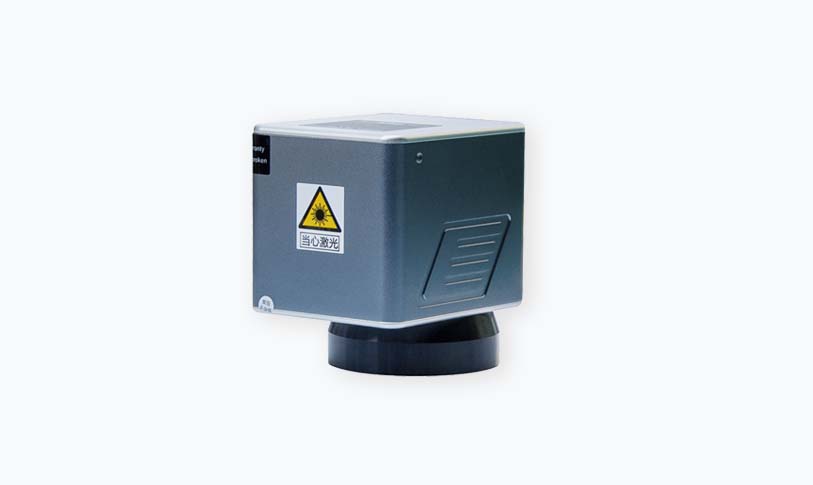
Exploring the Impact of Fiber Laser Software on Precision Cutting and Manufacturing Efficiency in Modern Industries
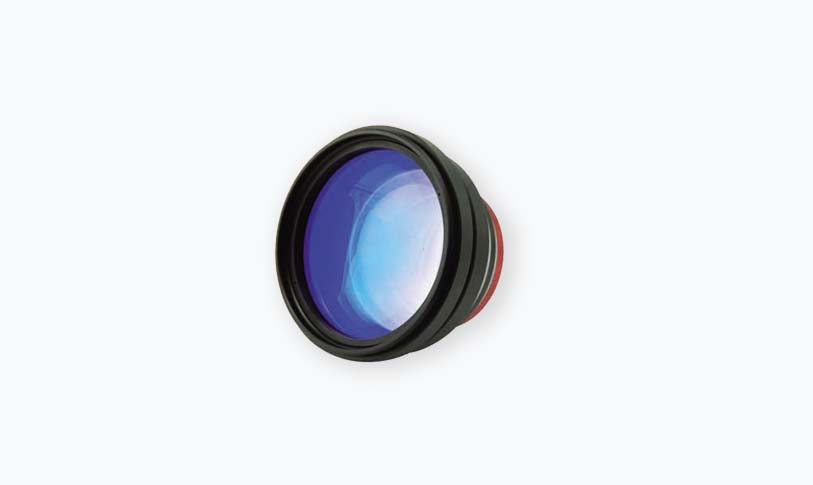
Exploring the Impact of Fiber Laser Software on Precision Cutting and Manufacturing Efficiency in Modern Industries
One of the primary benefits of fiber laser software is its ability to streamline the cutting process. Advanced algorithms allow for the quick input of design parameters, which means manufacturers can upload their CAD files and configure cutting paths seamlessly. This software eliminates the time wasted on manual adjustments and trial-and-error setups. With precise control over cutting speed, power settings, and focal points, users can achieve ideal results tailored to specific materials and thicknesses, enhancing both accuracy and productivity.
Another significant advantage is the real-time monitoring and feedback capabilities offered by fiber laser software. Operators can track the cutting process in real-time, receiving immediate alerts if there are any deviations from the set parameters. Such features not only enhance precision but also contribute to the overall safety of the operation. By reducing the likelihood of errors and operational mishaps, manufacturers can maintain high productivity levels without compromising the quality of the end product.

Exploring the Impact of Fiber Laser Software on Precision Cutting and Manufacturing Efficiency in Modern Industries
Additionally, fiber laser software can facilitate automation in manufacturing processes, further driving efficiency. For instance, by integrating with computer numerical control (CNC) systems, the software allows for automated sequences that require minimal human intervention. This not only speeds up production but also ensures consistency across batches of products, a critical factor for businesses in industries like automotive, aerospace, and electronics, where precision is paramount.
The ability to optimize cutting parameters for various materials using fiber laser software also translates into significant cost savings. With efficient material utilization and reduced waste, companies can lower their operational costs. Furthermore, these savings can be reinvested into other areas of the business, enhancing growth prospects and innovation capacities.
An often-overlooked aspect of fiber laser software is its role in aiding the design and prototyping stages of product development. Advanced simulation tools allow engineers and designers to visualize how a material will behave during the cutting process. This capability enables iterations and modifications to be made before physical cuts are attempted, ensuring that time and resources are used most effectively. The integration of design and manufacturing becomes seamless, reducing the lead times significantly.
In conclusion, fiber laser software stands as a cornerstone of modern manufacturing processes. Its provision of precision cutting capabilities, real-time monitoring, user-friendly interfaces, automation potentials, cost efficiency, and design integration marks a transformative step in manufacturing technologies. As industries continue to evolve, those who harness the power of fiber laser technology and its software will undoubtedly maintain a competitive edge, driving innovation and excellence in their respective fields. The future of manufacturing is undoubtedly bright, thanks, in part, to the significant advancements represented by fiber laser software.