[laser galvanometer]Exploring the Innovative Applications and Mechanisms of Laser Galvanometers in Modern Laser Systems and Industrial Applications
News 2024-11-23
Laser galvanometers are pivotal devices utilized in modern laser technology, providing precision aiming and positioning capabilities essential for a wide array of applications. These devices play a crucial role in various fields, including material processing, laser marking, and engraving, as well as in advanced imaging systems and laser scanning technologies. This article aims to delve into the mechanisms, benefits, and innovative applications of laser galvanometers, providing a comprehensive understanding for researchers, engineers, and industry stakeholders.
Understanding Laser Galvanometers
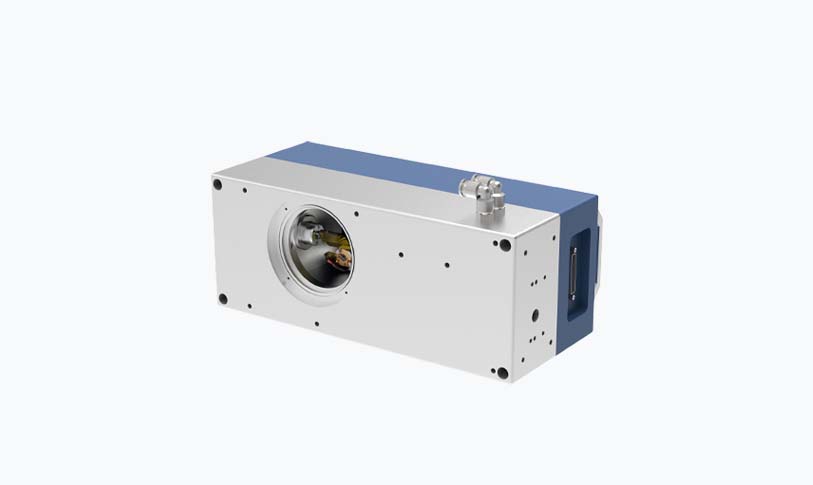
At its core, a laser galvanometer is an electro-mechanical device composed of a motorized system that quickly positions a laser beam with high accuracy. The device operates by utilizing mirrors mounted on galvanometer shafts, which are turned in response to electrical signals. These angular adjustments enable the laser beam to move along predefined paths, making it possible for the technology to perform tasks such as engraving or cutting materials with great precision.
Exploring the Innovative Applications and Mechanisms of Laser Galvanometers in Modern Laser Systems and Industrial Applications
The mechanism of a laser galvanometer is primarily based on the principle of electromagnetic induction. The galvanometer's motor generates a magnetic field that interacts with the metallic coil, resulting in rotation. Through controlling the input signals and the power supplied to the galvanometer, engineers can establish precise movements, allowing for the manipulation of the laser beam direction. The system is characterized by its rapid response time and high speed, capable of achieving extensive ranges of motion with minimal inertia.
Applications in Industry
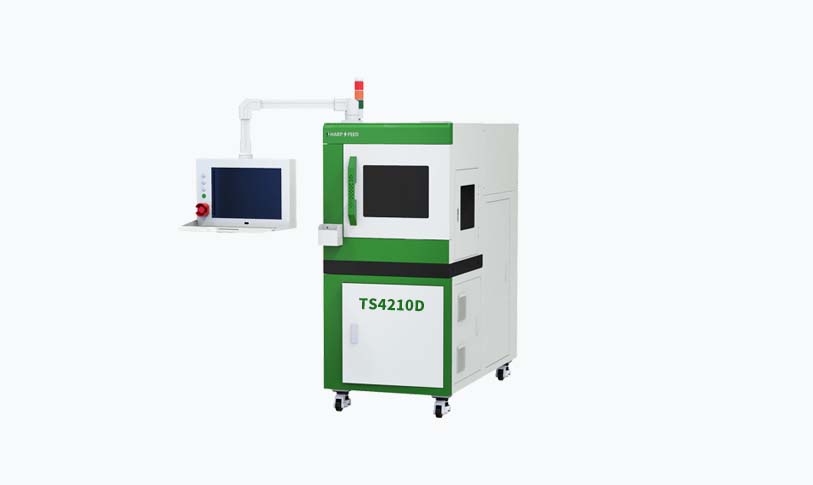
1. **Laser Marking and Engraving**: One of the most prominent applications of laser galvanometers is in laser marking and engraving. These devices allow for the fast and accurate etching of designs, logos, or data codes onto various materials, including metals, plastics, and glass. The high-speed capabilities of laser galvanometers enable manufacturers to maintain production efficiency while ensuring the quality and precision of their markings.
2. **Laser Cutting**: In the manufacturing sector, laser galvanometers are also used for laser cutting applications. The precision outlined by these devices ensures that complex patterns can be cut into materials with tight tolerances. Industries such as automotive, aerospace, and textiles leverage these capabilities to enhance product designs and functionalities while reducing material waste.
Exploring the Innovative Applications and Mechanisms of Laser Galvanometers in Modern Laser Systems and Industrial Applications
4. **Medical Applications**: The medical industry has begun to harness the power of laser galvanometers for various applications, including laser surgeries and diagnostic imaging. As the technology evolves, the ability to direct lasers with pinpoint accuracy is enhancing the effectiveness of treatments while minimizing damage to surrounding tissues.
Benefits of Laser Galvanometers
The integration of laser galvanometers in various applications comes with several benefits:
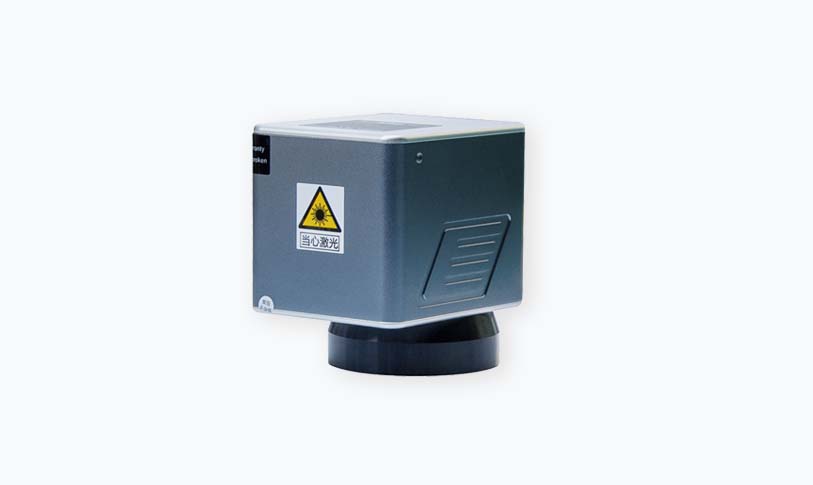
- **Precision and Accuracy**: The inherent design and operation of laser galvanometers allow for high accuracy in beam positioning. This level of precision is crucial for industrial applications that require exact results.
- **Speed**: Laser galvanometers can operate at high speeds—far surpassing traditional mechanical methods, which significantly enhances productivity in manufacturing environments.
Exploring the Innovative Applications and Mechanisms of Laser Galvanometers in Modern Laser Systems and Industrial Applications
- **Reduced Wear and Tear**: Unlike traditional mechanical systems, laser galvanometers have fewer moving parts subject to wear, leading to decreased maintenance needs and operational costs.
Conclusion
The laser galvanometer is a remarkable example of innovation in laser technology, enabling countless possibilities across several industries. From marking and engraving to advanced imaging applications, these devices are essential for achieving high precision and efficiency. As technology evolves, the continued development and integration of laser galvanometers will undoubtedly open new avenues in industrial processes, further enhancing productivity and precision in various sectors. Understanding their mechanisms and applications is vital for stakeholders aiming to leverage these advanced systems in their operations.