[continuous wave fiber laser]Understanding the Advanced Applications and Benefits of Continuous Wave Fiber Laser Technology in Modern Manufacturing and Industrial Settings
News 2024-11-22
Continuous wave fiber laser technology represents a significant advancement in the field of laser systems, offering unparalleled precision and efficiency. This innovative laser technology has become a game changer for various industries, including manufacturing, medical technology, telecommunications, and more. In this article, we will explore the fundamental aspects of continuous wave fiber lasers, their benefits, and their broad applications, demonstrating why they are gaining traction in modern industrial settings.
What is Continuous Wave Fiber Laser?
A continuous wave fiber laser is a laser that emits a continuous beam of light, in contrast to pulsed lasers that release energy in short bursts. The fiber laser utilizes a fiber optic medium as the gain medium, which allows for the efficient generation of high-intensity laser light. This is achieved by doping the optical fiber with rare-earth elements such as ytterbium or neodymium, which serve as the active laser ions.
The continuous operation of fiber lasers makes them particularly appealing for various applications, as they can provide a constant stream of energy without interruption. This feature allows for consistent processing speeds, which is essential in both manufacturing and scientific applications.

Understanding the Advanced Applications and Benefits of Continuous Wave Fiber Laser Technology in Modern Manufacturing and Industrial Settings
1. **High Efficiency**: One of the most significant advantages of continuous wave fiber lasers is their efficiency. They exhibit high wall plug efficiency, often exceeding 30%, which means they can convert a greater proportion of electrical energy into laser light compared to other types of lasers.
2. **Compact Size**: Fiber lasers are compact and lightweight, making them easier to integrate into existing manufacturing setups. Their compact nature reduces the need for extensive infrastructure, resulting in lower overhead costs.
3. **Enhanced Beam Quality**: Continuous wave fiber lasers provide an excellent beam quality with a small focus diameter. This allows for precise control over the laser cutting, welding, or marking processes, resulting in clean and accurate results.
4. **Longevity and Stability**: The solid-state nature of fiber lasers leads to improved reliability and longevity compared to traditional gas or solid-state lasers. The lack of moving parts and the robustness of the optical fiber contribute to maintaining long-term operational stability, reducing maintenance needs.
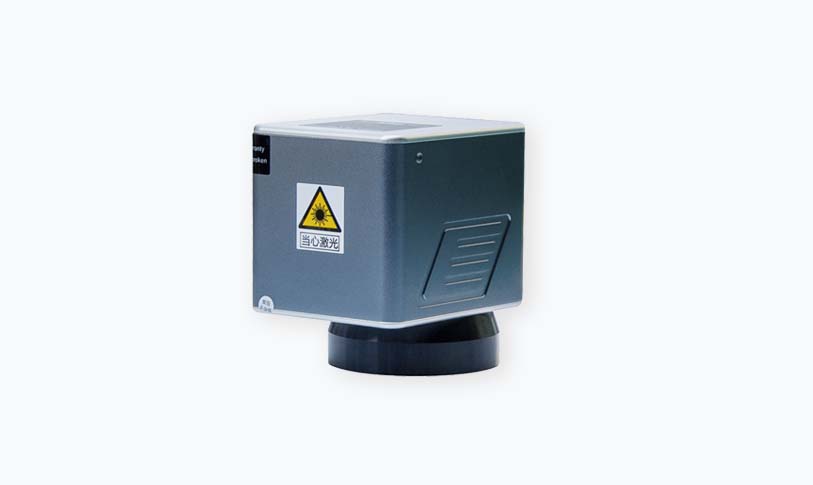
Understanding the Advanced Applications and Benefits of Continuous Wave Fiber Laser Technology in Modern Manufacturing and Industrial Settings
Applications of Continuous Wave Fiber Lasers
1. **Material Processing**: One of the predominant applications of continuous wave fiber lasers is in material processing, including cutting, marking, and engraving. Their precision and speed make them ideal for working with a range of materials like metals, plastics, and fabrics.
2. **Welding**: The consistent energy output of continuous wave fiber lasers permits effective welding processes, especially for thin materials that require minimal heat input. The focused laser beam results in high-speed welding with reduced thermal distortion.
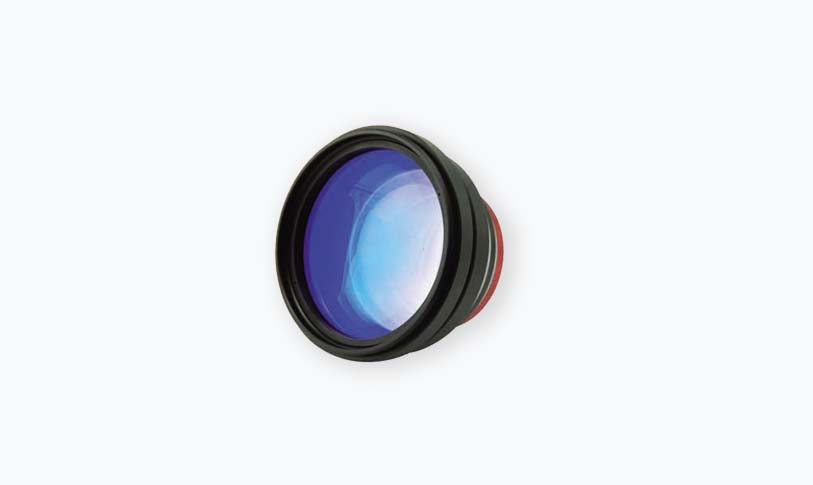
Understanding the Advanced Applications and Benefits of Continuous Wave Fiber Laser Technology in Modern Manufacturing and Industrial Settings
4. **Telecommunications**: Fiber lasers play a critical role in the telecommunications industry, particularly in the development of advanced fiber optic communication systems. They enable high-speed data transmission and processing by providing stable and reliable light sources.
5. **Research and Development**: Continuous wave fiber lasers are increasingly utilized in research and laboratory settings for experimental applications, material testing, and development of new technologies due to their adaptability and precision.
Conclusion
Continuous wave fiber laser technology represents an essential tool for modern manufacturing and industrial processes, providing significant advantages in efficiency, precision, and versatility. As industries continue to evolve and demand higher performance standards, integrating continuous wave fiber lasers into operations will be crucial for maintaining a competitive edge. Their broad range of applications across various fields underscores their significance in innovation and technology advancements, making continuous wave fiber lasers a cornerstone in the future of manufacturing and industrial practices.