[q switched laser]Exploring the Latest Advancements in Q Switched Lasers: Applications, Mechanisms, and Future Trends in Aesthetic Medicine and Industrial Use
News 2024-11-19
****Q switched laser technology has revolutionized numerous fields, particularly in aesthetic medicine and industrial applications. By enabling precise, high-energy laser bursts, these systems have become essential tools in various procedures. This article explores the mechanics of Q switched lasers, their extensive applications, and the future trends shaping their development and use.

Exploring the Latest Advancements in Q Switched Lasers: Applications, Mechanisms, and Future Trends in Aesthetic Medicine and Industrial Use
At its core, a Q switched laser operates on the principle of generating short bursts of high-intensity light. This is achieved by modulating the loss within the laser cavity with a quality switch (hence the term “Q switched”). The Q factor indicates the efficiency of the laser medium; by rapidly increasing and then releasing energy, we create a pulse that is orders of magnitude more intense than standard continuous-wave lasers.
These lasers primarily use the principles of stimulated emission and light amplification in a gain medium. The gain medium can be solid-state, gas, or dye-based, and the choice often depends on the specific application. When a Q switch is activated, energy is stored in the laser medium until it's released in a quick pulse, producing high peak power while maintaining a short duration.
Applications in Aesthetic Medicine
One of the most prominent applications of Q switched lasers is in the field of aesthetic medicine. They are particularly effective for procedures such as tattoo removal, pigmentation treatment, and skin rejuvenation.
Tattoo Removal
Tattoo removal is perhaps the most well-known use of Q switched lasers. Traditional methods of tattoo removal, such as dermabrasion or excisional surgery, often leave scars and require lengthy recovery times. Q switched lasers have transformed this process. The laser emits short pulses that break down ink particles into much smaller fragments without damaging surrounding skin tissues. The body’s immune system then gradually eliminates these particles, leading to tattoo fading or complete removal over multiple sessions.
Pigmentation and Skin Rejuvenation
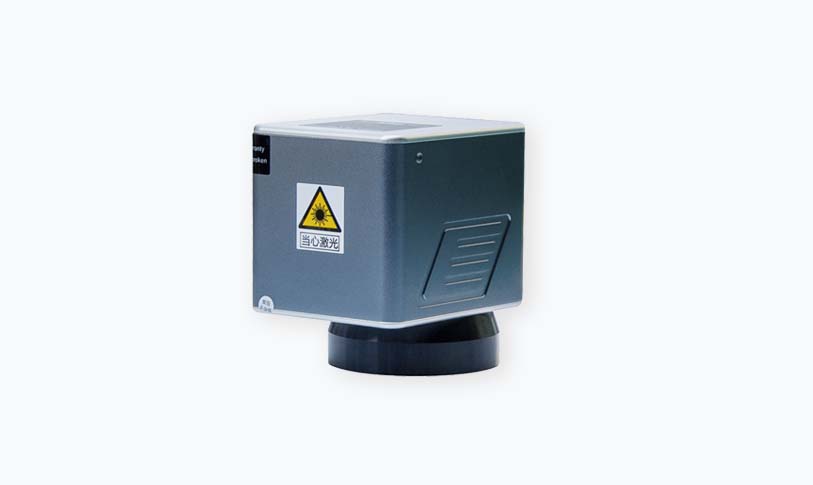
Exploring the Latest Advancements in Q Switched Lasers: Applications, Mechanisms, and Future Trends in Aesthetic Medicine and Industrial Use
Industrial Applications
Apart from aesthetic procedures, Q switched lasers are also gaining traction in industrial applications. They are being used in material processing, marking and engraving, and precision cutting. Their ability to deliver concentrated energy in short bursts allows for clean cuts and precise markings on various materials, including metals, plastics, and ceramics.
Material Processing
In material processing, Q switched lasers are often employed for applications like surface treatment, where they modify the material properties of surfaces without affecting the bulk of the object. They can create textures, improve adhesion properties, or even change thermal properties depending on the desired outcome.
Marking and Engraving
In the marking and engraving sector, Q switched lasers are preferred for their speed and precision. They can etch intricate designs on products ranging from jewelry to electronic components. Such precision is crucial for maintaining brand identity and ensuring product traceability.
Future Trends and Innovations
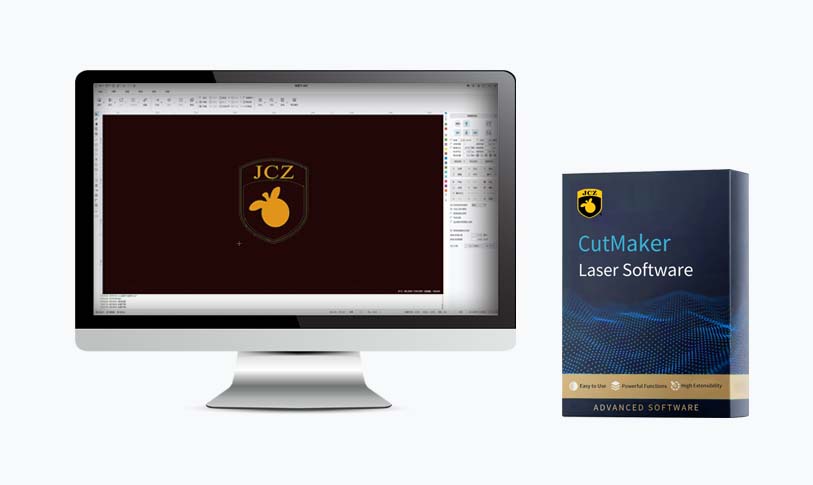
Exploring the Latest Advancements in Q Switched Lasers: Applications, Mechanisms, and Future Trends in Aesthetic Medicine and Industrial Use
Enhanced Efficiency and Miniaturization
Research is ongoing to increase the efficiency of Q switched lasers while reducing their size. This enhancement could make these systems more accessible for both personal and professional use, leading to more widespread adoption across various sectors.
Integration of AI
The integration of AI into Q switched laser systems can personalize treatments in aesthetic medicine, adapting settings based on the individual’s skin type and response to previous sessions. Such technology could optimize results and reduce recovery times, further increasing patient satisfaction.
Conclusion
Q switched lasers have firmly established themselves as essential tools across both aesthetic and industrial applications. With continued advancements, we can anticipate even broader applications and improved performance, making them indispensable in the ongoing quest for precision and effectiveness in various fields. As industries continue to adopt this technology, it will undoubtedly reshape practices, enhance outcomes, and deliver innovative solutions to complex challenges. Adapting and embracing these advancements will be crucial for professionals aiming to remain at the forefront of their respective fields.