[40w co2 laser]Unlocking the Potential of a 40W CO2 Laser: Applications, Benefits, and Best Practices for Maximum Efficiency
News 2024-11-9
****In recent years, the advent of laser technology has transformed various industries, offering precision and efficiency that traditional methods often cannot match. Among the many types of lasers available, the 40W CO2 laser stands out for its versatility and effectiveness in a wide range of applications, from engraving and cutting to medical and industrial uses. This article delves into the features, benefits, and operational guidelines essential for utilizing a 40W CO2 laser, ensuring users can maximize their potential.
Understanding the 40W CO2 Laser
A CO2 laser operates on the principle of converting electrical energy into coherent light, using a mixture of gases including carbon dioxide, nitrogen, and helium. The 40W CO2 laser is particularly notable for its power output, which is ideal for cutting and engraving various materials, such as wood, acrylic, leather, and fabric. Its wavelength of approximately 10.6 micrometers is perfectly absorbed by non-metallic materials, allowing for clean and efficient cutting or engraving.
Applications of the 40W CO2 Laser
The versatility of a 40W CO2 laser makes it suitable for several applications:
1. **Laser Engraving**: One of the most common uses of a 40W CO2 laser is engraving. This can be applied to awards, trophies, personalized gifts, and signage. The precision of the laser allows for intricate designs and lettering that would be hard to achieve through other means.
2. **Cutting**: The ability of a 40W CO2 laser to cut through various materials allows for applications in industries ranging from craft and design to manufacturing. It is particularly effective on materials like plywood, acrylic sheets, and textiles, enabling users to create custom shapes and components.
3. **Medical Uses**: In the medical field, CO2 lasers are utilized for various surgical procedures due to their precision and minimal collateral damage to surrounding tissues. A 40W CO2 laser may be used in dermatological treatments, where delicate procedures require finesse.
4. **Industrial Marking**: Many manufacturers employ 40W CO2 lasers for marking products, be it for branding, QR codes, or barcodes. The permanent marks created by the laser not only improve tracking and identification but also enhance the product's aesthetic appeal.
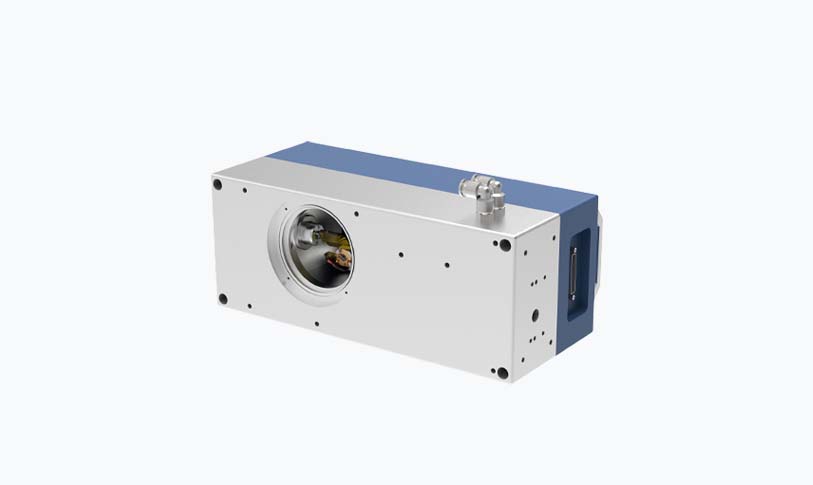
Unlocking the Potential of a 40W CO2 Laser: Applications, Benefits, and Best Practices for Maximum Efficiency
The benefits of using a 40W CO2 laser are numerous:
- **Precision and Quality**: The high level of accuracy allows users to produce high-quality finishes and intricate designs effortlessly, which is essential in a competitive market.
- **Speed**: Compared to traditional methods—like mechanical cutting or engraving—a 40W CO2 laser operates quickly, significantly reducing production time.
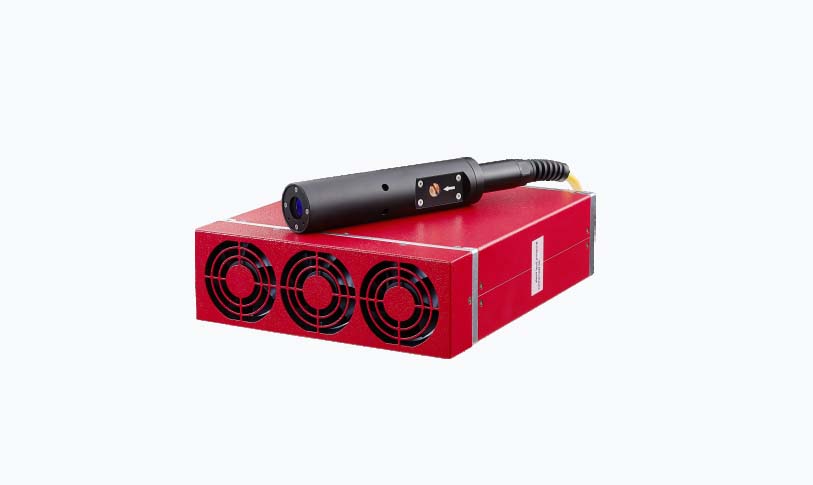
Unlocking the Potential of a 40W CO2 Laser: Applications, Benefits, and Best Practices for Maximum Efficiency

Unlocking the Potential of a 40W CO2 Laser: Applications, Benefits, and Best Practices for Maximum Efficiency
- **Non-Contact Processing**: The non-contact nature of laser technology prevents material deformation, a common issue with conventional cutting tools that produce pressure on the material being worked.
Best Practices for Operating a 40W CO2 Laser
To ensure maximum efficiency and longevity of your 40W CO2 laser, consider the following best practices:
1. **Regular Maintenance**: Schedule regular cleaning of the lens and mirrors to maintain optimal beam quality. Dust and residue can obstruct the beam path, resulting in poor performance.
2. **Understand Material Properties**: Different materials respond differently to laser cutting and engraving. Familiarize yourself with various materials' settings and parameters for successful outcomes.
3. **Utilize Software Wisely**: Learn to use the accompanying software for designing and controlling the laser effectively. Software with good design capabilities can help you visualize your project before execution.
4. **Follow Safety Protocols**: Always adhere to safety guidelines to avoid accidents. This involves wearing protective eyewear, ensuring ventilation, and keeping flammable materials at a distance from the laser's operational area.
Conclusion
A 40W CO2 laser presents an incredible opportunity for individuals and businesses seeking to harness the power of laser technology. With its diverse applications and impressive capabilities, it not only enhances production capabilities but also opens up new avenues for creativity and innovation. By understanding its features and adhering to best practices, users can maximize the burner’s potential, ensuring that they achieve the best possible results in their projects.