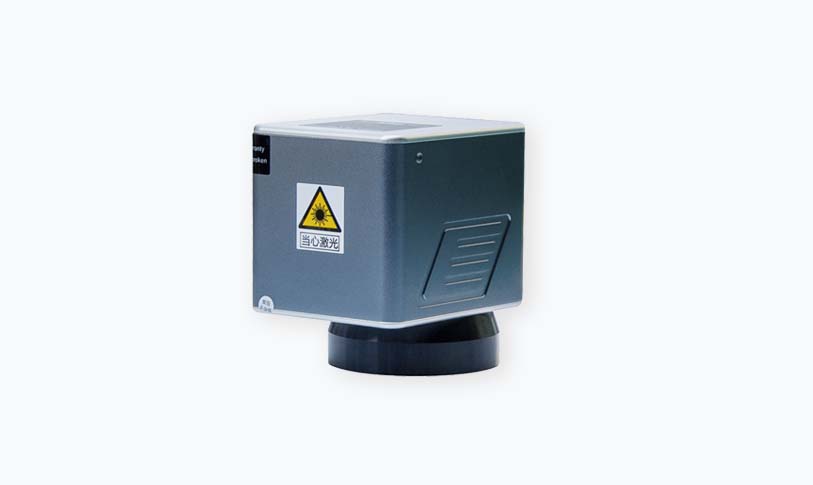
[uv cw laser]Exploring the Versatile Applications and Innovations in UV CW Laser Technology: A Comprehensive Overview
News 2024-10-30
****The ultraviolet continuous wave (UV CW) laser represents a remarkable advancement in laser technology, integrating the precision and efficiency of lasers with the unique properties of ultraviolet light. These lasers are increasingly finding applications across a multitude of fields, including manufacturing, healthcare, communication, and scientific research. This article delves into the underlying technology of UV CW lasers, their operational principles, practical applications, and future directions in research and development.
Understanding UV CW Lasers
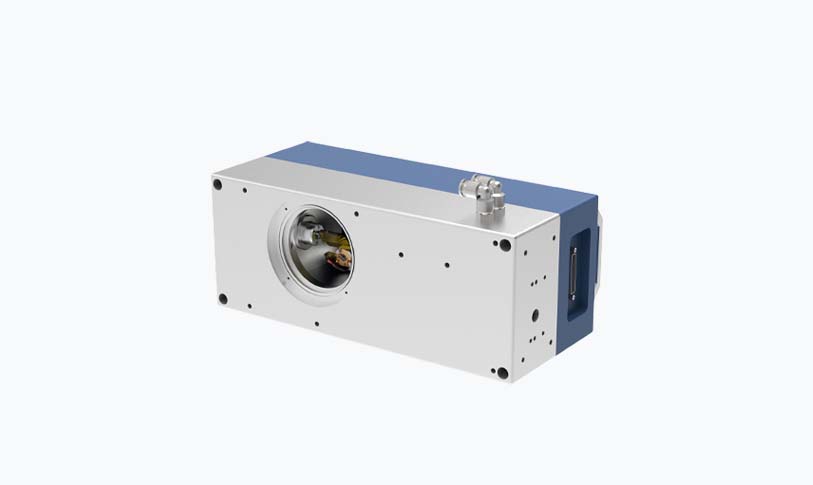
Exploring the Versatile Applications and Innovations in UV CW Laser Technology: A Comprehensive Overview
The technology behind UV CW lasers usually involves gas discharge or solid-state lasers, often using materials like gallium nitride (GaN) or other semiconductor compounds. The choice of medium is crucial, as it influences the efficiency, output power, and wavelength of the laser. Common types include frequency-doubled solid-state lasers or diode lasers that operate in the UV spectrum.
Applications of UV CW Lasers
1. **Manufacturing and Material Processing**
One of the most significant applications of UV CW lasers is in precision manufacturing. The short wavelengths of UV light allow for high-resolution laser cutting, engraving, and marking. Materials like plastics and metals can be processed with minimal thermal damage due to the focused energy output, making them ideal for applications that require delicate manipulation.
In the semiconductor industry, UV CW lasers are used for lithography, which is essential in producing integrated circuits. The high precision and low heat generation of these lasers facilitate the etching of intricate circuit designs, ultimately leading to more compact and efficient electronic devices.
2. **Healthcare and Medical Treatments**
Healthcare significantly benefits from the advancements in UV CW laser technology. The sterilization and disinfection properties of UV light are harnessed in various medical applications. UV lasers can be used for the sterilization of surgical instruments and surfaces in hospital settings, thereby reducing the risk of postoperative infections.
Moreover, UV CW lasers play a role in dermatology and cosmetic procedures, a testament to their ability to target specific skin conditions without damaging surrounding tissues. For instance, they can treat photodamage, psoriasis, and certain types of skin cancer with precision.
3. **Scientific Research and Environmental Monitoring**
In scientific research, UV CW lasers contribute to a wide array of studies, including spectroscopy and fluorescence microscopy. Researchers can leverage the unique properties of UV light to investigate molecular structures and interactions, leading to advancements in biochemistry and physics.
Additionally, UV lasers are utilized in environmental monitoring. These lasers can detect pollutants and hazardous materials in air and water, offering a sensitive approach to environmental protection and compliance with regulations. By enhancing the accuracy of detection, UV CW laser technology aids in proactive measures against pollution.
Future Directions in UV CW Laser Development
As technology continues to advance, the future scopes of UV CW lasers are expansive. Researchers are focusing on improving the efficiency and output power of these lasers while also reducing production costs. Innovations in materials, such as nanostructured optical materials, are under exploration to enhance laser performance.

Exploring the Versatile Applications and Innovations in UV CW Laser Technology: A Comprehensive Overview
Conclusion