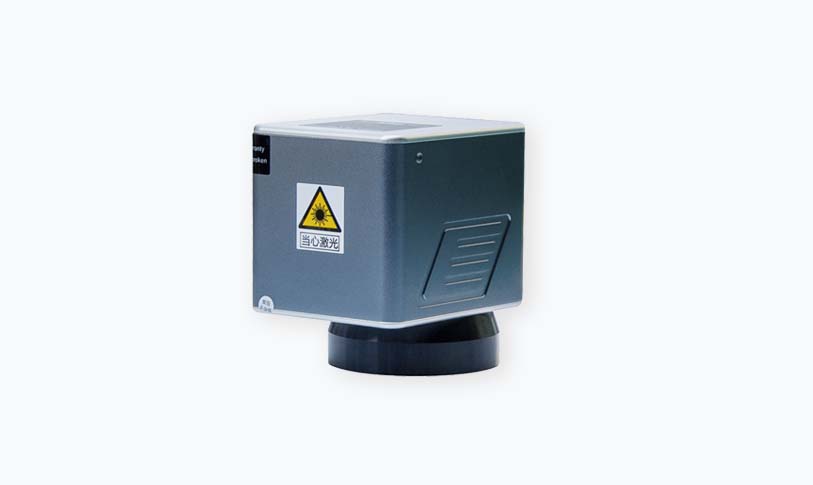
[fiber optic laser]Understanding the Advancements and Applications of Fiber Optic Lasers in Modern Technology and Manufacturing Processes
News 2024-10-27
Fiber optic lasers have emerged as one of the most revolutionary technologies in the realm of laser applications. These sophisticated devices utilize the principle of optical fibers to deliver high-quality laser beams, which can be finely tuned for various applications ranging from industrial manufacturing to medical procedures. With their remarkable efficiency and versatility, fiber optic lasers are experiencing a significant surge in adoption across multiple sectors. This article aims to delve into the advancements in fiber optic laser technology, their critical applications, and the benefits they bring to contemporary industry practices.
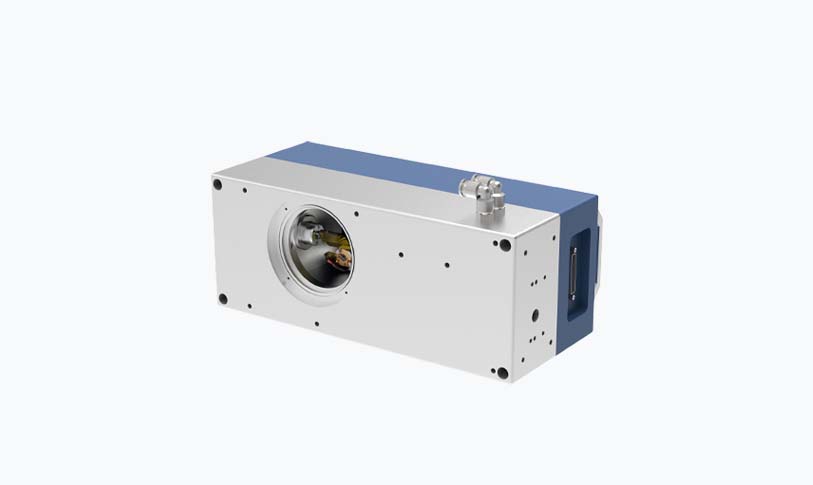
Understanding the Advancements and Applications of Fiber Optic Lasers in Modern Technology and Manufacturing Processes
One of the most notable features of fiber optic lasers is their exceptional beam quality. The light generated by these lasers has a high brilliance, meaning it can be focused to a very small spot size. This characteristic is crucial in applications where precision is of utmost importance, such as in the manufacturing of delicate components for electronics or medical instruments. The high power density that fiber optic lasers can achieve enables faster processing speeds and less thermal distortion, resulting in superior quality outputs.
In industrial manufacturing, fiber optic lasers have transformed conventional processes. For instance, in the metal fabrication industry, these lasers are employed for cutting a variety of materials including steel, aluminum, and even exotic alloys. The ability of fiber lasers to cut with high speed and accuracy reduces material waste and increases production efficiency. Furthermore, they require minimal maintenance compared to traditional laser systems, thus saving time and costs related to upkeep.
Moreover, fiber optic lasers are not limited to purely manufacturing applications. They have also found significant roles in medical fields. In surgical procedures, fiber lasers are utilized for precise tissue removal and cauterization, which minimizes bleeding and speeds up recovery times for patients. Similarly, in cosmetic procedures, they are employed for skin resurfacing, tattoo removal, and hair removal, delivering results that are both effective and less invasive.
An integral aspect of fiber optic laser technology is its adaptability to different environments. In challenging industrial settings, such as those involving high levels of dust or moisture, fiber lasers excel due to their enclosed structure. The fiber optic medium is robust and less susceptible to damage, ensuring consistent performance over time. This exceptional durability extends the lifespan of laser systems, making them a preferred choice for businesses looking to invest sustainably in their operations.

Understanding the Advancements and Applications of Fiber Optic Lasers in Modern Technology and Manufacturing Processes
As technology continues to evolve, the potential for fiber optic lasers extends even further. Researchers are exploring novel applications in areas such as 3D printing, where they can be utilized to improve the precision and quality of the printed products. Furthermore, advancements in telecommunications technology rely on fiber optics, and incorporating laser systems might enhance the performance of communication networks significantly.