[q switched laser]Understanding the Mechanism and Applications of Q Switched Lasers in Modern Technology and Medical Treatments
News 2024-10-24
****In recent years, Q switched lasers have emerged as a pivotal technology in various fields, revolutionizing both medical treatments and industrial applications. These advanced lasers create short, high-intensity pulses of light that can be harnessed for precision work. The principle behind their operation involves a technique of storing energy and then releasing it in rapid bursts, resulting in a powerful beam that can cut, engrave, or interact with materials at a microscopic level. This article delves into the mechanics of Q switched lasers and explores their diverse applications across multiple domains.
Mechanism of Q Switched Lasers
At the heart of a Q switched laser is the laser medium, which can be a gas, liquid, or solid. Common types include Neodymium-doped Yttrium Aluminum Garnet (Nd:YAG) and Alexandrite lasers. The 'Q' in Q switched refers to the quality factor of the laser cavity, which is managed by a technique called "Q switching." This process involves an initial phase where the laser is pumped with energy while the laser cavity is closed off, allowing for the build-up of energy within the medium.
Once the desired amount of energy is accumulated, the Q switch is activated, suddenly reducing the cavity loss by opening the cavity. This rapid change allows the energy to be released in a single, intense pulse. These pulses can last between nanoseconds and microseconds while achieving peak power much higher than continuous wave lasers. It is this capability to produce ultra-short pulses that makes Q switched lasers particularly useful in applications where precision and minimal thermal impact are crucial.
Applications in Medicine
Q switched lasers have found significant utility in dermatology and cosmetic surgery, particularly for procedures that involve tattoo removal, skin resurfacing, and treatment of pigmented lesions. The short pulse duration allows these lasers to target specific pigments in the skin (such as melanin) with minimal damage to surrounding tissues. As a result, patients experience less discomfort and reduced healing time.
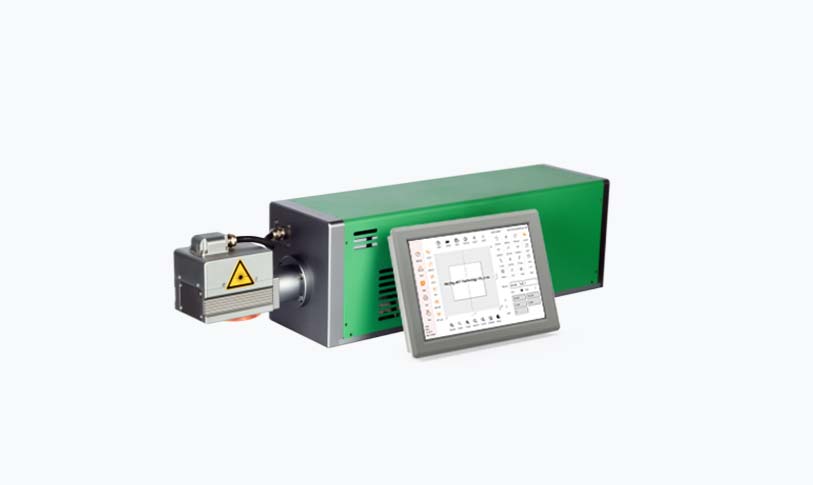
Understanding the Mechanism and Applications of Q Switched Lasers in Modern Technology and Medical Treatments
In addition to cosmetic applications, Q switched lasers are also used in various surgical procedures, including those in ophthalmology. For instance, they can be employed in procedures to treat cataracts or other eye conditions, leveraging their precision to provide exceptional results while minimizing the risk of damage to surrounding tissues.
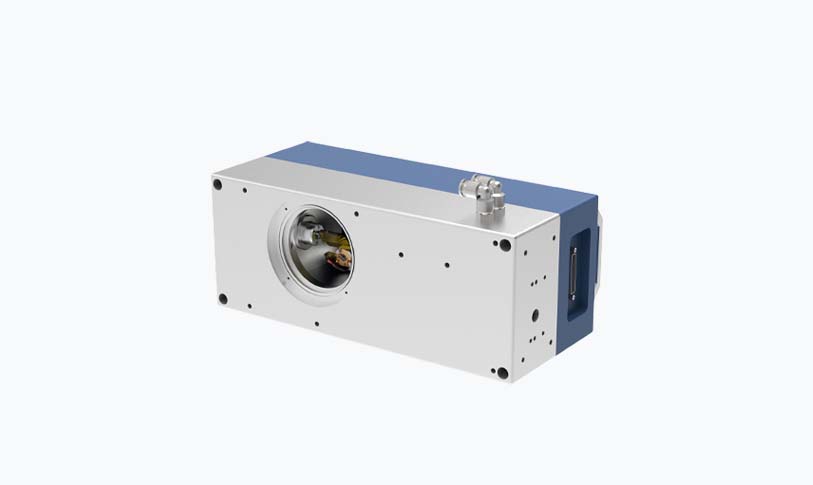
Understanding the Mechanism and Applications of Q Switched Lasers in Modern Technology and Medical Treatments
Beyond the medical field, Q switched lasers are widely employed in industry for material processing, including cutting, engraving, and welding. Their ability to deliver high energy in short bursts translates to efficient processing of various materials, including metals, plastics, and ceramics.
In the manufacturing sector, Q switched lasers are increasingly utilized for precision cutting due to their ability to create clean, accurate cuts without excessive heat. This capability is particularly advantageous in sectors such as automotive and aerospace, where precise specifications and high tolerances are critical.
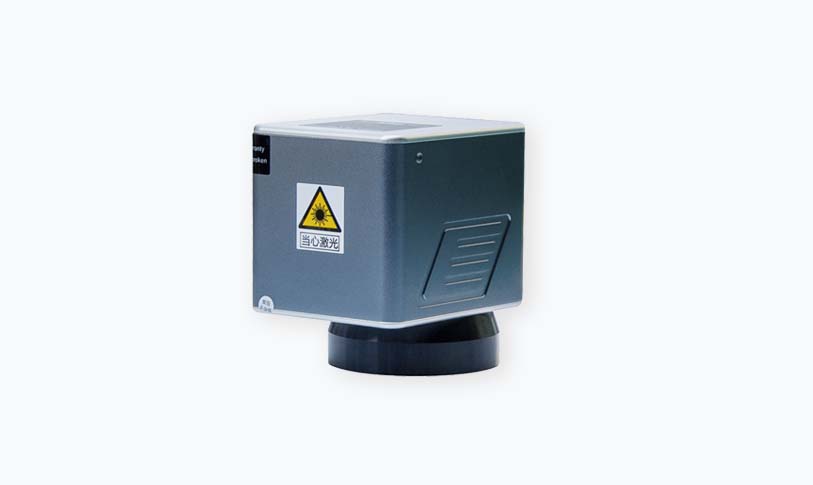
Understanding the Mechanism and Applications of Q Switched Lasers in Modern Technology and Medical Treatments
Conclusion
Q switched lasers represent a remarkable fusion of technology and precision, with applications that span across medicine, manufacturing, and beyond. Their ability to generate high-energy, short-duration pulses allows them to perform tasks that traditional lasers cannot, making them an invaluable tool in both clinical and industrial environments. As advancements continue to unfold in laser technology, the potential applications for Q switched lasers are only expected to grow, further cementing their place as a crucial asset in modern science and engineering.