[galvanometer scanning]Exploring the Innovations and Applications of Galvanometer Scanning Technology in Modern Optical Systems and Imaging Techniques
News 2024-10-17
****Galvanometer scanning has revolutionized various fields by enhancing precision and efficiency in optical systems, allowing for unprecedented advancements in imaging techniques, laser applications, and material processing. This technology consists of a high-speed optical scanning mechanism utilizing galvanometers, which are devices that measure electrical current via the deflection of a coil in a magnetic field. As such, galvanometer scanning systems are commonly classified into two main types: one-axis scanners and two-axis scanners, each serving unique purposes across a wide array of industries.
At the core of galvanometer scanning technology is its ability to convert electrical signals into precise angular motion. The galvanometer comprises a coil attached to a mirror that reflects an incoming laser beam. When an electrical current passes through the coil, it generates a magnetic field, producing torque and causing the mirror to deflect. By controlling the current, engineers can accurately manipulate the scanning position of the laser beam over a surface. This capability opens the door to a range of applications, particularly in the fields of laser marking, engraving, and cutting.
One of the most notable applications of galvanometer scanning is found in industrial laser marking and engraving. Traditional methods often required extensive setups and could struggle with high-speed applications. Galvanometer scanning allows for rapid, high-precision marking directly onto various materials such as metal, plastic, and glass. This technology can effectively produce intricate designs, logos, barcodes, and QR codes that can be used across product identification and branding.

Exploring the Innovations and Applications of Galvanometer Scanning Technology in Modern Optical Systems and Imaging Techniques
Furthermore, galvanometer scanning is crucial in material processing and laser manufacturing. Forming complex shapes and structures frequently requires the fine-tuned capabilities of this scanning technology. Whether it’s laser cutting, welding, or treating surfaces, the speed and accuracy of galvanometric scanning systems ensure precision in achieving desired specifications. These properties make it invaluable in sectors such as aerospace, automotive, and electronics, where even slight deviations can have drastic consequences.
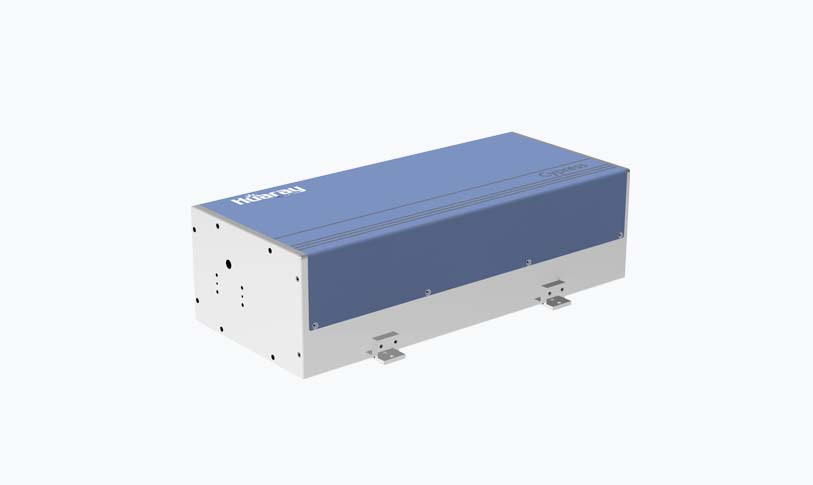
Exploring the Innovations and Applications of Galvanometer Scanning Technology in Modern Optical Systems and Imaging Techniques

Exploring the Innovations and Applications of Galvanometer Scanning Technology in Modern Optical Systems and Imaging Techniques
Despite the numerous advantages, challenges remain in the deployment of galvanometer scanning systems. One notable challenge is the potential for heat generation, which can affect the longevity and performance of the scanners. Prolonged use may lead to instability if not properly managed, necessitating advancements in cooling mechanisms and heat dissipation strategies. Additionally, calibration and alignment processes are critical for ensuring optimal performance, which requires skilled personnel and may pose limitations for smaller organizations.
In conclusion, galvanometer scanning technology has made significant contributions to a multitude of disciplines, establishing itself as a cornerstone in the advancement of optical precision and efficiency. Its applications span diverse fields, from industrial processes to medical imaging and scientific research, continuously evolving with innovative integrations and solutions. As industries increasingly demand higher precision, adaptability, and speed, galvanometer scanning will undoubtedly play a critical role in shaping the future of technology. The ongoing research and development in this realm promise to unlock even more potential applications, driving forward innovation and effectiveness in ways yet to be realized.