[pulsed co2 laser]Exploring the Benefits and Applications of Pulsed CO2 Laser Technology in Modern Medicine and Industry
News 2024-10-17

Exploring the Benefits and Applications of Pulsed CO2 Laser Technology in Modern Medicine and Industry
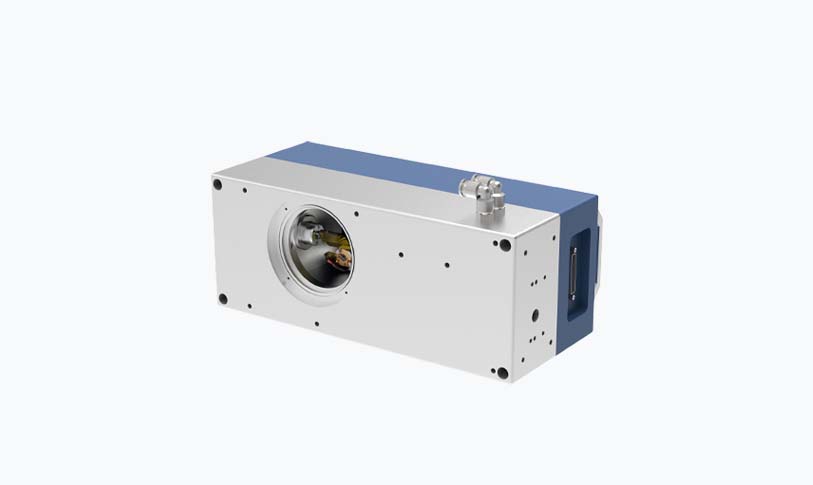
Exploring the Benefits and Applications of Pulsed CO2 Laser Technology in Modern Medicine and Industry
Understanding Pulsed CO2 Lasers
A pulsed CO2 laser operates by generating a beam of light through the stimulated emission of radiation in a CO2 gas environment. The distinctive feature of this laser is its ability to emit light in short, high-energy pulses, which results in minimal thermal damage to surrounding tissues when utilized in medical procedures. The wavelength of the CO2 laser, typically around 10.6 micrometers, is well-absorbed by biological tissues, making it particularly useful for surgical and aesthetic applications.
Advantages of Pulsed CO2 Laser Technology
1. **Precision and Control**: One of the primary benefits of pulsed CO2 lasers is their exceptional precision. Surgeons can target specific tissues without affecting adjacent structures, which is crucial in delicate procedures such as skin resurfacing or tumor removal. The ability to finely control the intensity and duration of the laser pulses allows for tailored treatments that minimize damage and promote faster healing.
2. **Reduced Recovery Time**: Compared to traditional surgical methods, using a pulsed CO2 laser often results in shorter recovery periods. Patients experience less pain and swelling due to the minimally invasive nature of laser procedures. As a result, they can return to their normal activities more quickly, which is an important consideration for both patients and healthcare providers.

Exploring the Benefits and Applications of Pulsed CO2 Laser Technology in Modern Medicine and Industry
Medical Applications of Pulsed CO2 Lasers
The medical landscape has dramatically shifted in favor of laser-assisted techniques due to their effectiveness and patient-friendly nature. In dermatology, pulsed CO2 lasers facilitate ablative skin resurfacing, addressing issues like sun damage, fine lines, and deep wrinkles. The laser removes the outer layer of damaged skin, stimulating collagen production in the underlying layers, leading to improved skin texture and elasticity.
In gynecology, pulsed CO2 lasers are used for procedures like endometrial ablation, where they effectively treat uterine bleeding by removing or destroying the endometrial lining. This method is less invasive and carries fewer risks than traditional surgical options, often resulting in better quality of life for patients with menorrhagia or other uterine conditions.
Industrial Applications of Pulsed CO2 Lasers
Beyond healthcare, pulsed CO2 lasers have found extensive applications in various industrial sectors. Their ability to cut, engrave, and mark materials with precision makes them invaluable in manufacturing, as they can work with a wide variety of materials, including metal, plastic, glass, and textiles.
In the automotive industry, pulsed CO2 lasers are utilized for cutting and welding, as they provide high-speed processing and excellent finishes. As industries prioritize automation and efficiency, the demand for laser technologies continues to surge, cementing the pulsed CO2 laser's place as a cornerstone of modern manufacturing.
Conclusion
In summary, pulsed CO2 laser technology represents a significant innovation that has transformed both medical and industrial practices. With its precision, versatility, and improved recovery times for patients, the scope of its applications continues to expand. As technology progresses and further research unveils new possibilities, pulsed CO2 lasers will undoubtedly play an ever-increasing role in enhancing both patient outcomes in healthcare and efficiencies in industrial processes. This remarkable laser technology illustrates the profound impact that laser applications have on various aspects of our lives, heralding a future where precision and effectiveness are paramount.