[3d fiber laser]The Revolutionary Impact of 3D Fiber Lasers
News 2024-10-12
****In recent years, the manufacturing and fabrication industries have seen significant advancements in technology, and one of the most innovative tools to emerge is the 3D fiber laser. This cutting-edge technology is transforming the way metals and other materials are processed, providing increased precision, efficiency, and versatility. As industries continue to evolve and demand more sophisticated solutions, understanding the benefits and applications of 3D fiber lasers becomes essential for manufacturers aiming to remain competitive.

The Revolutionary Impact of 3D Fiber Lasers on Manufacturing: Enhancing Precision and Efficiency in Modern Industry
A 3D fiber laser refers to a type of laser cutting system that utilizes fiber optics to produce focused beams of light capable of cutting, engraving, or marking various materials, including metals, plastics, and composites. The “3D” aspect indicates the capability of the laser system to navigate around three dimensions, allowing for intricate designs and shapes to be produced with incredible accuracy. This technology leverages the advantages of fiber optic technology, such as high energy efficiency, minimal maintenance, and an extended operational lifespan.
Key Advantages of 3D Fiber Lasers
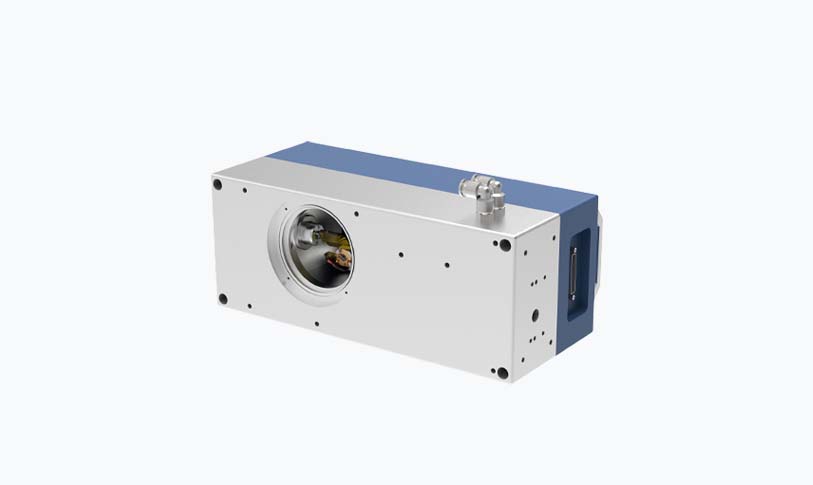
The Revolutionary Impact of 3D Fiber Lasers on Manufacturing: Enhancing Precision and Efficiency in Modern Industry

The Revolutionary Impact of 3D Fiber Lasers on Manufacturing: Enhancing Precision and Efficiency in Modern Industry
3. **Speed and Efficiency**: Compared to conventional machining processes, 3D fiber lasers operate at much higher speeds, which translates to increased productivity. The rapid cutting and engraving capabilities reduce processing times, allowing manufacturers to meet tight deadlines and customer demands without compromising quality.
4. **Cost-Effectiveness**: Initial investments in 3D fiber laser technology can be significant; however, the long-term savings outweigh these costs. Their energy efficiency minimizes operational costs, while reduced waste material and decreased setup times contribute to overall cost reductions in the production process.
5. **Minimal Material Distortion**: The concentrated heat of a fiber laser minimizes the thermal impact on surrounding materials, reducing the risk of warping or distortion. This results in cleaner cuts and edges, which can eliminate the need for extensive post-processing.
Applications of 3D Fiber Lasers
The versatility of 3D fiber lasers allows them to be employed in various industries for a multitude of applications:
- **Automotive Manufacturing**: 3D fiber lasers are used for cutting body panels, creating intricate automotive parts, and engraving designs on various vehicle components.
- **Aerospace Engineering**: In aerospace, precision is paramount. Thus, 3D fiber lasers are employed to produce lighter and more efficient components, enabling the manufacture of complex geometries needed for modern aircraft design.
- **Jewelry Making**: The jewelry industry benefits from the fine detail achievable with laser technology. Designers can create custom engravings on rings, pendants, and other wearable items, providing personalized options for customers.
- **Electronics**: Manufacturers of electronic components utilize 3D fiber lasers for cutting circuit boards, producing housings, and even engraving intricate designs on devices, ensuring high precision while optimizing material usage.
- **Art and Decor**: Artists and designers leverage 3D fiber laser technology to create unique sculptures, wall art, and home decor items that require exceptional detail and creative flair.
Future Trends in 3D Fiber Laser Technology
As technology continues to advance, so too will the capabilities of 3D fiber lasers. Developments are expected in automation, where laser cutting systems can work in tandem with robotic arms to handle materials, improving efficiency further. Additionally, enhancements in software for design and programming will streamline integration into existing manufacturing processes, making the technology more accessible to smaller businesses.
In conclusion, the introduction of 3D fiber lasers marks a pivotal moment in the manufacturing sector. Their precision, versatility, efficiency, and cost-effectiveness are reshaping the landscape of production. As industries embrace this revolutionary technology, manufacturers who invest in 3D fiber laser systems are not only future-proofing their operations but also setting new standards for what is possible in design and fabrication. The potential applications are vast, and as new innovations emerge, the impact of 3D fiber lasers on manufacturing will undoubtedly continue to grow.