[fiber laser vs co2]Understanding the Key Differences Betwee
News 2024-10-11
In the rapidly advancing world of laser technology, two of the most prominent types used for cutting and engraving applications are fiber lasers and CO2 lasers. While both technologies have their unique advantages, choosing the right laser for your specific needs can significantly impact productivity, efficiency, and the quality of the finished product. This article aims to explore the key differences between fiber lasers and CO2 lasers, providing insights into their operations, applications, and which technology might be the best fit for various projects.
Laser Technology Overview
**1. Operating Principle:**

Understanding the Key Differences Between Fiber Laser and CO2 Laser Technologies for Cutting and Engraving Applications
- **Fiber Lasers:** These utilize optical fibers doped with rare-earth elements such as ytterbium. A laser diode pumps energy into the fiber, which amplifies the light and outputs it as a highly focused beam. Fiber lasers are known for their efficiency, often achieving over 30% wall-plug efficiency, which means they convert a significant portion of the electrical energy into laser light.
- **CO2 Lasers:** In contrast, CO2 lasers employ a gas mixture (primarily carbon dioxide, along with nitrogen and helium) to generate laser light. An electrical discharge excites the gas molecules, which then emit infrared light. These lasers typically have a lower efficiency, around 10-20%, but they produce a longer wavelength, which is better absorbed by organic materials.
**2. Beam Quality and Focusability:**
Beam quality is crucial for sharp cutting and engraving.

Understanding the Key Differences Between Fiber Laser and CO2 Laser Technologies for Cutting and Engraving Applications
- **CO2 Lasers:** Although they have a larger spot size, they can still deliver great results, particularly with thicker synthetic materials and wood. Yet, their larger focus can lead to more significant heat diffusion, making them less ideal for precision work compared to fiber lasers.
Applications
Both fiber and CO2 lasers have unique applications depending on their characteristics:
- **Fiber Lasers:** These are gaining popularity in industries such as metal fabrication, automotive manufacturing, and electronics. Their efficiency and capability to cut metals like stainless steel, aluminum, and copper make them indispensable in these sectors. Additionally, fiber lasers are excellent for marking and engraving metals, plastics, and other materials, applying high-speed processing that ensures excellent surface finish and detail.
- **CO2 Lasers:** Traditionally, CO2 lasers find their niche in cutting and engraving non-metallic materials. Their use is prevalent in woodworking, leather crafting, acrylic cutting, and other organic composite materials. Since the CO2 laser is more suitable for these materials, it excels in producing detailed engravings or cuts in various thicknesses and sizes.
Maintenance and Cost-Effectiveness
When considering operational costs and maintenance:
- **Fiber Lasers:** Typically, fiber lasers have lower maintenance costs. They do not require as many consumables and have a longer lifespan due to the absence of mirrors and lenses commonly found in CO2 systems. Additionally, the efficiency of fiber lasers can lead to lower electricity bills over time.
- **CO2 Lasers:** While CO2 lasers can be more affordable upfront, their ongoing costs can accumulate due to frequent replacement of mirrors, lenses, and gas cylinders. The maintenance required can also be higher, impacting the overall cost-effectiveness of operating a CO2 laser over its lifetime.
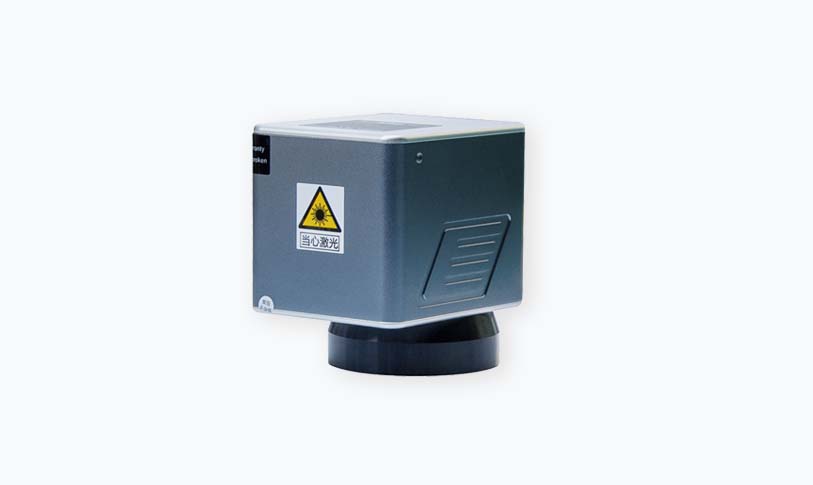
Understanding the Key Differences Between Fiber Laser and CO2 Laser Technologies for Cutting and Engraving Applications
When comparing fiber lasers to CO2 lasers, it is crucial to consider the specific applications and materials involved. Fiber lasers provide exceptional cutting capabilities, efficiency, and low maintenance costs, making them ideal for metal fabrication and precision work. On the other hand, CO2 lasers excel in cutting and engraving organic and synthetic materials, making them versatile tools in crafts and manufacturing.
Ultimately, the choice between fiber laser and CO2 laser technologies should be made based on the specific needs of the project, the materials involved, and budget constraints. Each technology holds significant value within its realm, and understanding their differences can lead to informed decisions that drive productivity and success.