[what is a galvo laser]Understanding Galvo Lasers: How These
News 2024-10-10
In recent years, the demand for high-precision laser technology has surged across various sectors, including manufacturing, healthcare, and telecommunications. One of the most notable advancements in this field is the galvo laser. These lasers, which utilize galvanometric systems to achieve rapid and precise beam positioning, are redefining the boundaries of what is possible in laser processing. This article explores the key features of galvo lasers, their operational principles, applications, advantages, and their impact across industries.
What is a Galvo Laser?
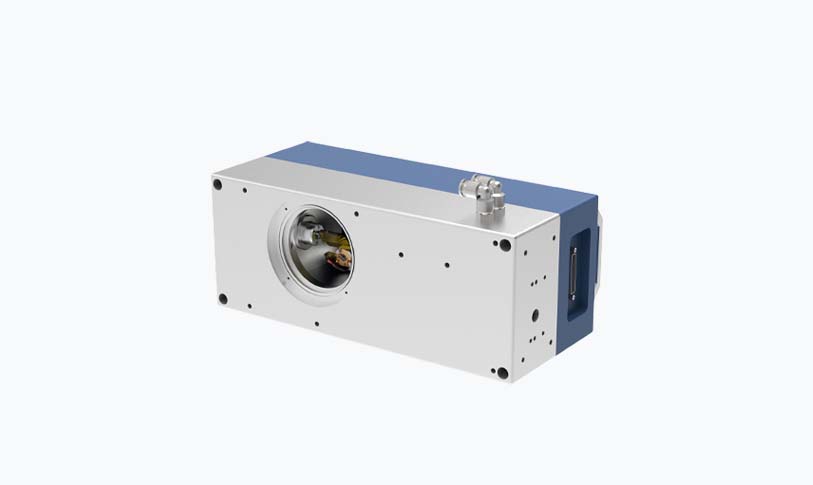
Understanding Galvo Lasers: How These Precision Tools Transform Industries with Exceptional Speed and Accuracy
How Does It Work?
The core technology behind a galvo laser involves galvanometers that can manipulate mirrors at high speeds. When a laser beam is directed towards these mirrors, the galvanometers adjust their angles swiftly, causing the beam to be scanned across a surface. This rapid movement occurs in two dimensions, creating the potential to engrave, cut, or mark materials with remarkable precision and speed.
The operation of a galvo laser can be broken down into several steps:
1. **Laser Generation**: A laser source generates a coherent light beam, which can vary in wavelength depending on the application (e.g., CO2, fiber, or solid-state lasers).
2. **Mirror Alignment**: The laser beam is directed towards a set of mirrors mounted on the galvanometer. These mirrors can tilt rapidly in both the X and Y axes.
3. **Digital Control**: A computer system controls the galvanometers, sending signals that dictate the position and angle of the mirrors based on the desired design or pattern.
4. **Material Interaction**: As the laser beam moves across the material, it interacts in specific ways—engraving, cutting, or marking—while the precision movement ensures exact results consistent with the design specifications.
Applications of Galvo Lasers
Galvo lasers find applications in a multitude of industries due to their speed and accuracy. Some of the most common uses include:
- **Engraving and Marking**: Galvo lasers are widely employed for engraving logos, barcodes, and serial numbers on various materials, from metals to plastics. The high speed combined with precision ensures clear and durable markings.
- **Cutting**: In manufacturing environments, galvo lasers can cut intricate designs in materials such as acrylic, wood, and textiles. Their ability to handle complex patterns efficiently makes them ideal for industries like fashion and signage.
- **Medical Devices**: In the healthcare sector, galvo lasers are utilized to mark surgical instruments and implants, ensuring traceability and compliance with safety standards.
- **Electronics**: They are also used for solder mask removal and surface treatment in the electronics manufacturing process.
- **3D Printing and Additive Manufacturing**: Galvo lasers assist in selective laser sintering, where they selectively melt powder materials to build complex 3D parts layer by layer.
Advantages of Galvo Lasers
The use of galvo lasers comes with a host of benefits that have made them a preferred choice in many applications:

Understanding Galvo Lasers: How These Precision Tools Transform Industries with Exceptional Speed and Accuracy
2. **Precision**: Galvo lasers can achieve remarkable precision, making them suitable for detailed engraving or cutting tasks.
3. **Reduced Downtime**: With fewer moving parts compared to traditional laser systems, galvo lasers often require less maintenance, resulting in lower downtime and increased productivity.
4. **Flexible Design Options**: Galvo technology allows for easy programming of complex designs, enabling manufacturers to create intricate patterns without extensive setup time.
5. **Versatility**: These lasers can work with a range of materials, accommodating a wide variety of applications across different industries.
Conclusion
