[laser control card]Exploring the Functionality and Importan
News 2024-10-9
In the world of modern technology, lasers are integral to various applications ranging from industrial manufacturing to medical procedures and even entertainment. At the heart of laser systems lies a crucial component: the laser control card. This device serves as the interface between the user and the laser system, allowing for precise control and management of laser operations. In this article, we will explore the essential functionality and significance of a laser control card, discussing its components, applications, and impact on various industries.
Understanding the Basics of a Laser Control Card
A laser control card is an electronic circuit designed to manage the operational functionalities of a laser system. Typically, it includes a microcontroller or microprocessor that processes input signals and provides output commands to regulate the laser operation. This may include controlling the power, frequency, duration, and modulation of the laser beam.
The primary purpose of a laser control card is to ensure that the laser operates optimally and safely. It interfaces with various sensors and components, offering real-time data for monitoring performance and efficiency. This real-time capability is critical, as it allows for adjustments and interventions in real-time to prevent overheating, misalignment, or other potential issues that could compromise the performance of the laser.
Key Components of a Laser Control Card
1. **Microcontroller**: The brains of the laser control card, responsible for processing inputs from user commands and outputs to the laser system.
2. **Power Management**: This component regulates the power supply to the laser, ensuring it operates within specified limits to prevent damage or instability.
3. **Input/Output Interfaces**: These interfaces allow the control card to connect with various external devices, including computers and sensors. They facilitate communication and data transfer essential for efficient operation.
4. **Safety Features**: Modern laser control cards are equipped with safety protocols designed to shut down the laser or alert users in case of any anomalies or hazardous conditions.
5. **Feedback Mechanisms**: These allow the card to receive real-time data from the laser system, enabling continuous monitoring and adjustments to maintain optimal operating conditions.
Applications of Laser Control Cards
The versatility of laser control cards makes them indispensable across multiple industries:
- **Manufacturing**: In industrial settings, laser control cards manage systems used for cutting, engraving, and welding materials. They ensure precision and efficiency, drastically improving production rates and accuracy.

Exploring the Functionality and Importance of a Laser Control Card in Modern Laser Technology Applications
- **Telecommunications**: Fiber optics, a crucial part of modern communication infrastructure, rely on lasers for signal transmission. Control cards play a vital role in the modulation and stability of these laser systems, enabling high-speed data transfer.
- **Research and Development**: Lasers are prevalent in scientific research for experiments requiring precise measurements. Control cards are essential for maintaining the accuracy and repeatability of experimental setups, helping researchers achieve reliable results.
- **Entertainment**: In the entertainment industry, laser shows and exhibitions utilize specialized laser systems controlled by laser control cards. The cards allow for complex patterns and effects that provide stunning visual displays.
The Future of Laser Control Cards

Exploring the Functionality and Importance of a Laser Control Card in Modern Laser Technology Applications
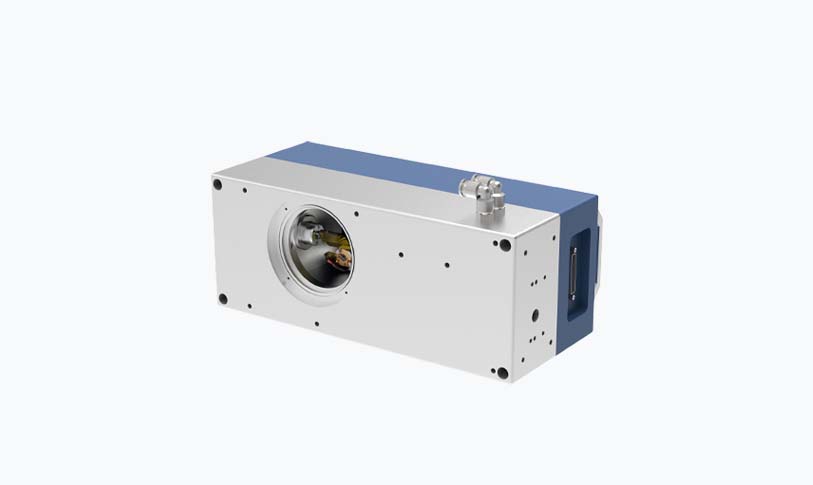
Exploring the Functionality and Importance of a Laser Control Card in Modern Laser Technology Applications
In conclusion, the laser control card is an integral component in the operation and functionality of laser systems across multiple sectors. Its ability to provide precise control, real-time monitoring, and safety protocols ensures that lasers can be utilized effectively and safely. As technology progresses, we can expect these control cards to become even more sophisticated, enhancing the capabilities and applications of lasers in our everyday lives.