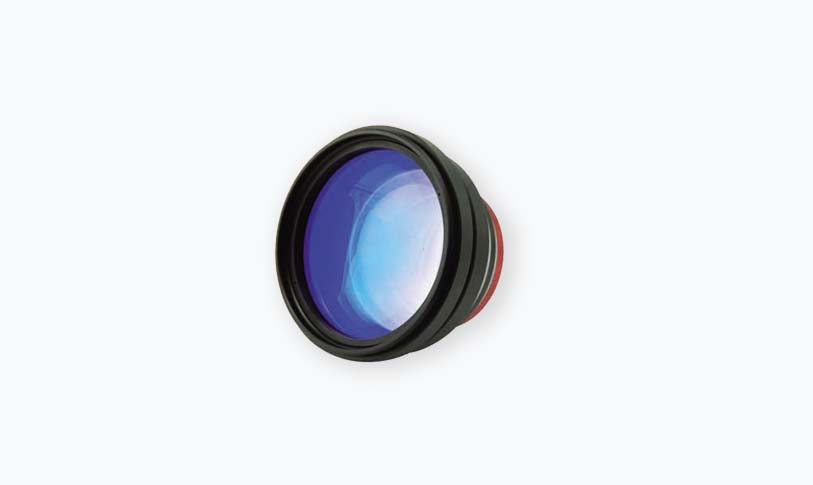
[ultraviolet laser]Exploring the Revolutionary Applications
News 2024-10-8
Ultraviolet lasers have gained significant attention in various sectors over the past few decades, showcasing groundbreaking applications that have revolutionized fields such as medicine, manufacturing, and telecommunications. With the ability to produce light at wavelengths shorter than visible light, ultraviolet (UV) lasers are characterized by their high energy and unique interaction with matter, paving the way for innovative solutions to complex problems. This article delves into the diverse applications of ultraviolet lasers, highlighting their transformative impact and future potential in different industries.
**Medical Applications**
One of the most promising domains for ultraviolet lasers is medicine. UV lasers are primarily used in dermatology for treatments such as tattoo removal, skin resurfacing, and treating vascular lesions. The precise energy delivered by these lasers enables the targeted destruction of unwanted pigments without damaging surrounding tissues. For instance, the Q-switched Nd:YAG laser, which emits at a wavelength of 532 nm, is widely recognized for its efficacy in tattoo removal. The laser energy breaks down the ink particles within the skin, allowing the body’s immune system to naturally eliminate them over time.
Additionally, ultraviolet lasers play a crucial role in ophthalmology. Procedures like LASIK and PRK utilize excimer lasers, which emit UV light to reshape the cornea, improving visual acuity for those with refractive errors such as myopia and hyperopia. These lasers allow for high precision and minimal thermal damage to the eye, resulting in faster recovery times and improved patient outcomes.

Exploring the Revolutionary Applications of Ultraviolet Lasers in Medicine, Industry, and Telecommunications: A Comprehensive Overview
**Industrial Applications**

Exploring the Revolutionary Applications of Ultraviolet Lasers in Medicine, Industry, and Telecommunications: A Comprehensive Overview
UV lasers are particularly effective for marking and coding materials, such as plastics and metals. Unlike traditional marking techniques, which often require inks and solvents, UV laser marking is a clean and efficient method that uses the energy from the laser to alter the surface of the material directly. This results in permanent, high-contrast markings that are resistant to wear and environmental conditions.
Another prominent application of ultraviolet lasers is in the field of 3D printing. UV lasers are being utilized in additive manufacturing processes, such as stereolithography, where they cure photosensitive resins layer by layer to create complex 3D structures. This technology is becoming particularly important in the production of prototypes, dental restorations, and custom orthopedic implants, allowing for unprecedented design flexibility and rapid prototyping.
**Telecommunications**
The telecommunications industry has also benefited from the advancements in ultraviolet laser technology. Ultra-short pulse UV lasers are key components in optical communication systems, where they are used to generate and manipulate light signals over vast distances. The ability to achieve high data rates with minimal signal loss has made UV lasers an attractive solution for next-generation optical networks.
In optical networking, UV lasers help to facilitate dense wavelength division multiplexing (DWDM), a technology that increases the capacity of fiber optic cables by transmitting multiple signals simultaneously over different wavelengths. This advancement is crucial for the ever-increasing demand for bandwidth driven by streaming services, cloud computing, and the Internet of Things (IoT).
**Conclusion**