[mopa fiber laser]Exploring the Advantages and Applications
News 2024-10-8
MOPA (Master Oscillator Power Amplifier) fiber lasers have emerged as a revolutionary technology in the field of industrial manufacturing and precision engineering. This advanced laser technology offers significant benefits over traditional laser systems, including enhanced performance, versatility, and efficiency. By understanding how MOPA fiber lasers work and their numerous applications, industries can leverage this technology to improve productivity and maintain high quality in their manufacturing processes.

Exploring the Advantages and Applications of MOPA Fiber Laser Technology in Industrial Manufacturing and Precision Engineering
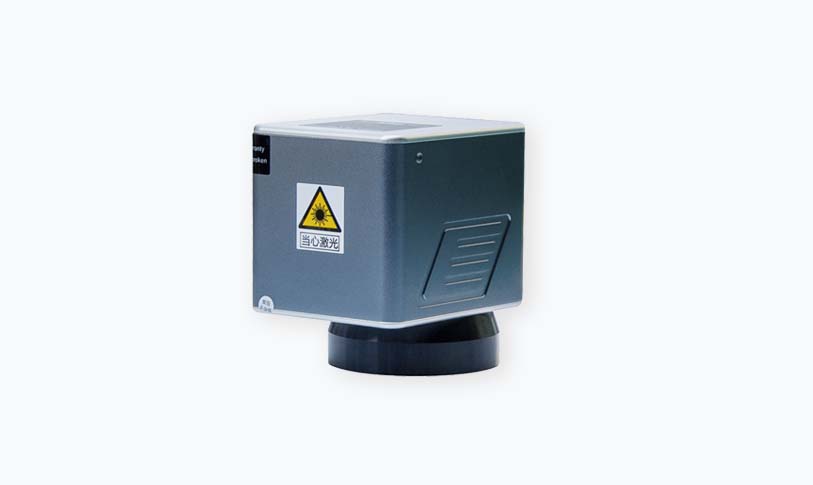
Exploring the Advantages and Applications of MOPA Fiber Laser Technology in Industrial Manufacturing and Precision Engineering
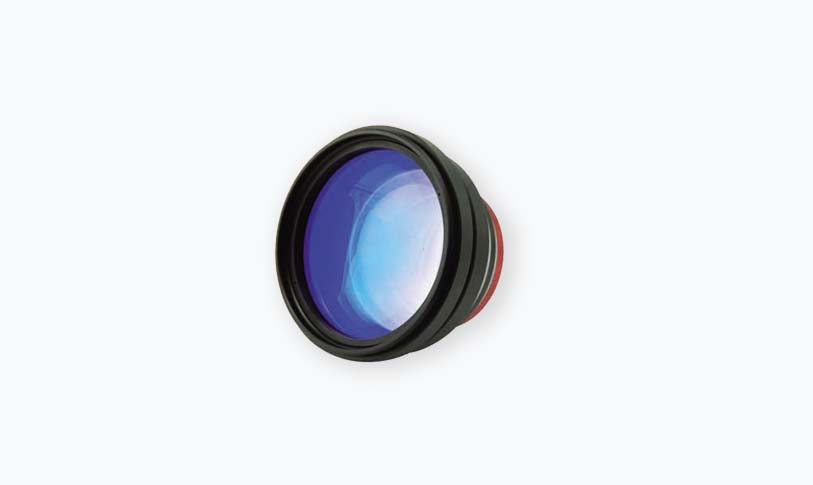
Exploring the Advantages and Applications of MOPA Fiber Laser Technology in Industrial Manufacturing and Precision Engineering
The ability to achieve different pulse widths also leads to improved results in contrast and precision. In applications such as anodized aluminum marking or engraving on coated surfaces, the MOPA fiber laser’s capability to generate short pulses minimizes heat affected zones and ensures cleaner results. This precision is essential in industries where quality and aesthetics are paramount, such as electronics, jewelry, and automotive manufacturing.
MOPA fiber lasers are also distinguished by their efficiency and reliability. Compared to traditional laser solutions like CO2 lasers, MOPA fiber lasers have a lower power consumption, making them an environmentally friendly choice. The direct-diode pumping system utilized in MOPA designs promotes higher efficiency rates, resulting in reduced operating costs for manufacturers. Furthermore, fiber lasers boast a compact design and lower maintenance needs, contributing to increased uptime and productivity in manufacturing environments.
Another essential benefit of MOPA fiber lasers is their ability to handle different materials effectively. These lasers can process a variety of substances, including metals, plastics, ceramics, and composites, which makes them suitable for a broad range of industries. Whether it’s marking barcodes on packaging, engraving intricate designs on metal products, or cutting various materials, the versatile applications of MOPA fiber lasers make them an invaluable tool in modern manufacturing.
In addition to their performance benefits, MOPA fiber lasers also enhance the safety of industrial operations. By housing the laser within a robust fiber optic system, the risk of accidental exposure or laser misalignment is substantially diminished. This safety feature is crucial in busy manufacturing environments, where multiple activities and personnel are present.
Another key application area for MOPA fiber lasers lies in the field of medical technology. The compact size and precision of these lasers make them suitable for various medical device manufacturing applications, including cutting and engraving delicate components. The biocompatibility of laser-marked products is vital for ensuring product safety, and the clean, precise results from MOPA lasers meet these stringent requirements.
In conclusion, MOPA fiber laser technology represents a significant advancement in laser manufacturing processes. With their exceptional versatility, efficiency, and precision, MOPA fiber lasers are transforming industries ranging from electronics to medical devices. As businesses seek to improve their manufacturing capabilities, adopting MOPA fiber laser systems can lead to enhanced product quality, lower operational costs, and greater overall efficiency. In a world that increasingly values precision and reliability, MOPA fiber lasers are poised to play a critical role in the future of industrial manufacturing.