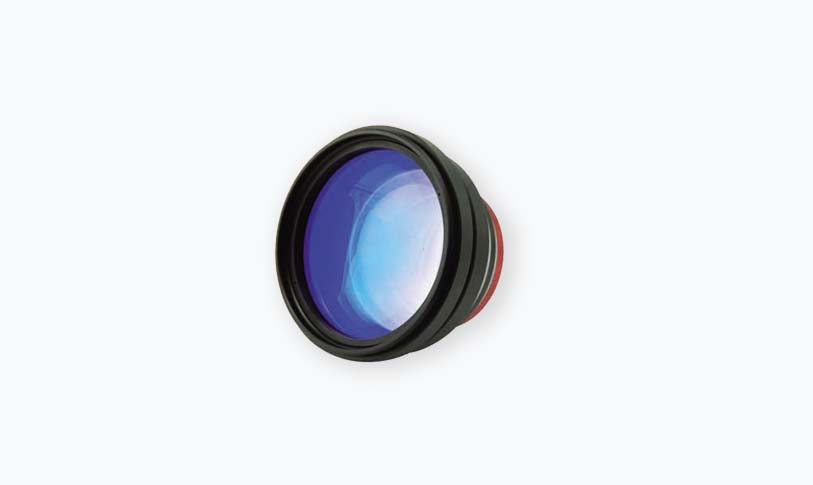
[co2 100w laser]Unlocking the Potential of the CO2 100W Lase
News 2024-10-7
The CO2 100W laser has emerged as a powerful tool across various industries, proving its worth in cutting, engraving, and marking materials with remarkable precision and speed. This article will delve into the diverse applications, benefits, and innovative technologies associated with the CO2 100W laser, exploring how it has revolutionized manufacturing processes and artistic endeavors alike.
Understanding the CO2 100W Laser
At its core, a CO2 laser is a gas laser that utilizes a mixture of carbon dioxide, nitrogen, and helium as its active medium. The 100W designation refers to the laser's maximum output power, which is significant for its capability to efficiently cut through or engrave various materials. The CO2 100W laser emits light at a wavelength of approximately 10.6 micrometers, which is particularly effective for interacting with organic materials, plastics, wood, and even fabric.
Applications of the CO2 100W Laser
The versatility of the CO2 100W laser has led to its adoption in numerous fields. Here are some prominent applications:
1. **Manufacturing and Industry**: In industrial settings, the CO2 100W laser is widely used for cutting and engraving materials such as acrylic, wood, leather, and paper. Its ability to produce clean and precise cuts reduces the need for secondary processing and maximizes productivity.
2. **Signmaking**: The laser's engraving capabilities make it ideal for the signmaking industry. It can create detailed logos, lettering, and designs on various materials, providing businesses with customized signage solutions that stand out.
3. **Medical Applications**: In the medical field, CO2 lasers are employed for surgical precision. They are used in dermatology for skin resurfacing, as well as in various surgical procedures where minimal damage to surrounding tissues is critical.
4. **Arts and Crafts**: The CO2 100W laser has become increasingly popular among artists and crafters. Its engraving capabilities allow for intricate designs on a range of materials, enabling creators to push the limits of their artistic expression.
5. **Textiles**: The ability to cut and engrave fabric makes the CO2 laser an invaluable tool in the textile industry. It can produce intricate patterns and designs, transforming ordinary textiles into bespoke pieces.
Benefits of the CO2 100W Laser
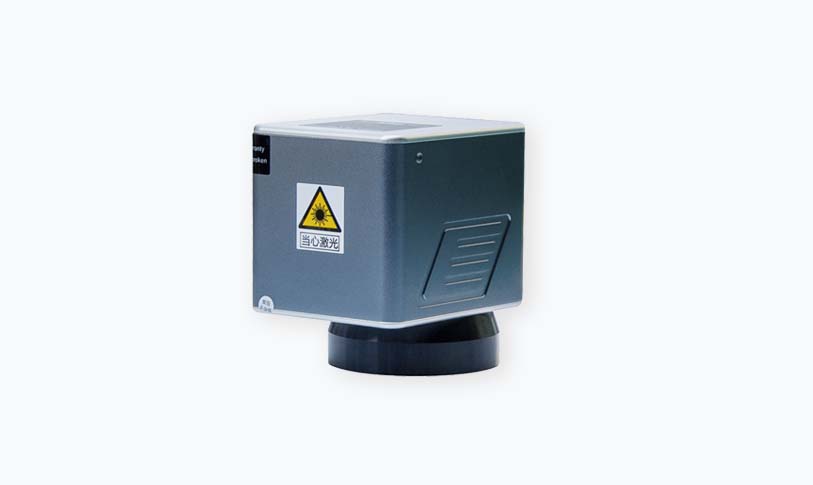
Unlocking the Potential of the CO2 100W Laser: Applications, Benefits, and Innovations in Modern Technology
1. **Precision and Accuracy**: The CO2 100W laser can achieve intricate designs and specifications with minimal tolerance, resulting in high-quality outputs that meet the exacting standards of various industries.
2. **Speed and Efficiency**: Unlike traditional cutting methods, the CO2 laser operates at high speeds, which accelerates production time. The ability to process multiple pieces simultaneously enhances operational efficiency.
3. **Waste Reduction**: The precision of the laser minimizes material waste, as cuts are cleaner and more accurate than those made with blade tools. This aspect is particularly appealing in industries where material costs are critical.
4. **Versatility**: With the ability to work with diverse materials, the CO2 100W laser caters to various applications, making it a one-stop solution for businesses engaged in multiple sectors.
5. **Low Operating Costs**: Although the initial investment in a CO2 laser machine may be substantial, the long-term operational costs tend to be lower than traditional machinery. The reduced need for maintenance, combined with less material waste, contributes to overall savings.
Innovations and Future Trends

Unlocking the Potential of the CO2 100W Laser: Applications, Benefits, and Innovations in Modern Technology
In addition, the rise of hybrid systems integrating CO2 lasers with other technologies, such as fiber lasers, will create new possibilities for tackling challenging materials and applications. As industries adapt to evolving market demands, the role of the CO2 100W laser is likely to expand, solidifying its place in the manufacturing landscape.
Conclusion